Find the troublesome task on the table
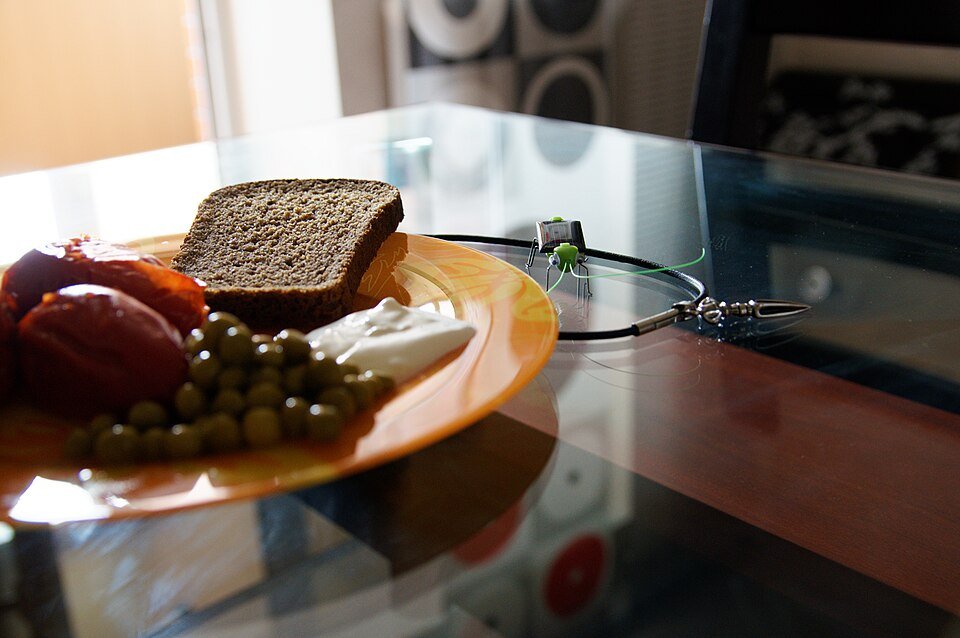
A dining table may serve dinner well and become frustrating when someone writes a note or reads a glossy magazine. Start with the task that triggers the complaint. Place the usual object on the table and sit in the normal chair. Describe whether the bright patch appears on the tabletop, the paper itself or a plate.
Identify the time and lighting arrangement. Daylight glare and an evening pendant reflection can occur at the same place for different reasons. Make separate notes rather than combining them into a general statement that the table is too shiny. The first decision is which light source and viewing relationship deserves a trial.
Use ordinary objects already suitable for the finish, such as an approved placemat or desk pad. This is not a surface refinishing guide. Do not sand, coat or apply adhesive films while diagnosing the light path. CCOHS's lighting survey guidance supports examining reflected glare; it does not mean a permanent change is necessary whenever a surface has a sheen.
Locate the source without moving everything
During the problem task, operate one existing light or covering at a time. If switching off the pendant removes the patch, the pendant contributes. If drawing the curtain changes it, the window contributes. Restore each setting before the next check so you know which intervention produced the result.
Hold a small card briefly between the suspected source and the task, keeping it clear of hot lamps and food. If the obscuring reflection changes while the task remains otherwise visible, you have useful evidence about the path. Do not leave card or cloth attached to a light fitting as a permanent shade.
A small mirror placed safely flat on the working surface can reveal a reflected overhead source from the seated view, but it is optional and should be handled carefully. You can often trace the patch simply by changing one source. The useful finding is a specific relationship, such as pendant reflected beside the notebook, rather than an abstract verdict about shininess.
Compare object position before changing output
Move the notebook or plate a short distance within the ordinary usable area. Rotate the page slightly while maintaining a comfortable posture. Observe whether the reflection moves away from the line being read. If a modest normal adjustment solves the task, you have a low-effort option that does not affect everyone else's light.
Next try an adjacent seat if it is realistically available. Record whether the patch follows the viewing angle. A chair change that requires someone to sit awkwardly or blocks conversation is not a complete solution, even if it makes one page readable. Keep the meal arrangement and writing arrangement separate when their needs differ.
Increasing lamp output is not the first move when an image of the source is the obstruction. The FTC distinguishes bulb light output from power use, but a lumen figure alone does not describe a reflection at the table. More lumens can increase useful illumination and the distracting patch together. Resolve the geometry before selecting a brighter replacement.
Work through a reversible surface comparison
The following observations are illustrative and invented. A reader uses the same two-page magazine spread at the same seat, then counts how many of eight text blocks are partly obscured by a reflection. The count is an informal reading aid, not a formal glare index or a measure of eye strain.
| Arrangement | Obscured blocks out of eight | Other observation |
|---|---|---|
| Original page position | 5 | Bright pendant patch |
| Page rotated within comfortable reach | 2 | Patch near edge |
| Suitable matte pad, same source | 2 | Table reflection reduced, page still glossy |
| Page rotation plus changed light direction | 0 | Both pages readable |
The matte pad removes three of five obscured blocks compared with the original arrangement, but two remain. That is consistent with the page itself still reflecting the source. The complete reduction from five to zero occurs only in the last arrangement, which changes two things and should be unpacked in a follow-up comparison.
Do not publish the count as a product performance percentage. It applies only to this invented task and shows how separate reflective surfaces can contribute to one complaint.
Test the evening light arrangement independently
After dark, repeat the ordinary task with the normal room lighting. If the pendant is dimmable through a supported control, compare a comfortable lower setting while checking that the page remains readable. Do not fit an incompatible bulb or dimmer to create the trial. Use manufacturer compatibility information for the actual fixture.
An existing shielded lamp aimed at the task from another direction may support writing without a direct source reflection. Position it within its normal adjustment range, keep cords off walking routes and check from adjacent seats. The lamp must not create direct glare for the person opposite or sit among unstable meal items.
YourHome's lighting material treats general, background and task lighting as different roles. That principle can help a multipurpose dining space: dinner may use one arrangement while detailed paperwork uses another. Write those roles down rather than trying to make a single pendant setting satisfy every activity performed at the table.
Check materials and ordinary handling
Before adopting a pad or placemat, confirm it is suitable for the table's finish and the activity. Some backing materials can mark finishes or trap moisture. Follow the surface and accessory care guidance rather than assuming that every soft object is harmless. Remove trial materials afterward and inspect the table under ordinary light.
Check how the arrangement behaves during a full meal or writing session. Does the mat slide, curl or create a raised edge under a glass? Does the lamp obstruct serving or force a cable near food? These practical failures can outweigh the visual benefit. A successful glare trial should remain usable with the usual objects in place.
Do not treat a photograph of a matte-looking surface as proof that it is glare-free. Angle and light determine whether a sheen becomes troublesome. The seated task provides the relevant evidence. If a sample is being considered for a later purchase, compare it under the actual problematic source rather than relying on its appearance in a shop or online image.
End with a task-specific arrangement
Confirm the preferred setting in daylight and after dark, if both periods matter. Read the full page, write at the far edge of the sheet and check every regular seat used for the task. The final arrangement should remove the distracting patch without requiring strained posture, excessive darkness or a precarious lamp position.
Record the source, the successful object position and any reversible accessory used. Include an explicit reset: store the writing pad after paperwork, or return the lamp to its normal place before serving food. That makes the method practical in a shared multipurpose room and prevents clutter becoming the new source of inconvenience.
Complete the investigation when you can explain which reflection mattered and reproduce a usable setting. If the finish still creates unavoidable problems across the actual tasks, you now have a more precise brief for future furniture choices. A new table is a substantial decision; the small light-path record helps ensure it addresses the real problem.
THE REFERENCE FILE
Sources & scope
Documentation reviewed 1 Nov 2026. Examples are illustrative; this article does not claim hands-on product testing. Follow the instructions for your actual material, model and location.
FROM THE EDITORIAL DESK
Ceetv Editors
Original home and living guidance, prepared from primary documentation with AI-assisted research and drafting. We distinguish proposed checks from actual tests.
How we prepare our guides →