Cleaning & care
Decide whether brass hardware should be polished
Inspect brass-colored handles for lacquer, plating and intentional patina before cleaning, then separate ordinary soil removal from a deliberate polishing decision.
The home files
Care for the material you actually have. Build routines that are gentle, practical and easy to repeat.
Inspect brass-colored handles for lacquer, plating and intentional patina before cleaning, then separate ordinary soil removal from a deliberate polishing decision.
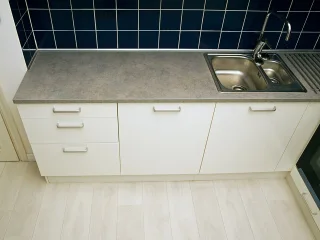
Clean a laminate worktop while keeping seams and exposed edges controlled, and recognize when a raised joint is substrate damage rather than removable grime.
Clean a glass tabletop with grit-free tools and controlled residue removal, inspect edges and supports, and decide when a persistent mark needs supplier advice.
Clean a travertine vanity by checking its stone, filled pits and seams, then remove cosmetic residue while separating dirt from missing fill and acid damage.
Separate an oily food mark from detergent residue, choose a fabric-compatible pretreatment, and inspect the dry garment before repeating washing or adding heat.
Remove mirror smears with controlled cloth application, protect frame and backing edges, and distinguish front-surface residue from persistent reflective-layer damage.
Map where pet hair collects on a sofa, choose a fabric-safe pickup method, and check seams and nap before deciding whether removable covers need washing.
Distinguish daily dirt from cured epoxy residue, then match cleaning to the grout product, tile finish and curing requirements instead of reaching for cement remover.
Use purchase records, product identifiers and manufacturer questions to resolve an unreadable care label without guessing a wash route from fibre content alone.
Treat a small spill on W-code upholstery by confirming the furniture instructions, controlling liquid and checking the dry panel for rings, residue and texture changes.
Keep pen ink from spreading through a laundry load, identify the pen and fabric, and choose between a labelled treatment and professional care before adding heat.
Photograph floor condition before cleaning, match care to the actual finish, and separate removable soil from wear in a clear move-out handover record.
Plan cleaning for a washable linen or linen-blend slipcover by checking the actual cover label, measuring its fit and coordinating washing, drying and refitting.
Use a careful cool-water workflow for a small personal blood mark on washable bedding, with fabric checks, controlled pretreatment and inspection before drying.
Clean hand marks on painted furniture doors with a small dry-result comparison, while protecting edges and recognizing burnishing, softened paint and wear.
Respond to a spill on S-code upholstery with dry collection, fabric identification and a careful solvent-or-specialist decision that protects backing and trim.
Record stair access, carrying controls, cable reach and storage clearances so a vacuum that fits your floors also fits the way you move and put it away.
Check an upholstery cleaner on a hidden area, compare the dry result with untreated fabric, and recognise colour transfer, rings and texture changes before proceeding.
Clean a lacquered cabinet or table with a controlled wipe, then distinguish removable residue from cloudy finish damage before trying a stronger product.
Plan a bedroom dusting route around shelves, bedside items and the bed frame, using clean cloth faces and floor care that follows the room’s actual finishes.
Clean an oily-looking granite counter by comparing removable film with persistent darkening, then choose a compatible next step without unnecessary resealing.
Trace pale lint on dark clothes to likely shedding items, separate compatible wash groups, and inspect pockets and dry fabric before blaming the detergent.
Remove fingerprints and residue from matte engineered quartz while checking the exact finish instructions and avoiding abrasives that create a shiny island.
Read a dull or dark mark on a marble tabletop, clean away ordinary residue, and decide whether the next step is stain treatment or professional finish repair.
Record a wool sweater’s relaxed dimensions, follow its permitted wash and flat-drying route, and compare the dry result without stretching it to match a target.
Clean sound cement grout with a compatible neutral method, compare the fully dry result, and distinguish retained discoloration from damaged or persistently wet joints.
Clean fingerprints from matte laminate doors by identifying the surface family, rinsing away residue and checking for sheen changes before using special methods.
Compare pile direction, pressure marks and deposited soil on velvet upholstery, then choose care that respects the fabric instructions and avoids permanent crushing.
Give reusable mop pads a clear wash, drying and ready status so a damp pad does not return to the floor or disappear into storage between cleaning sessions.
Collect a spill on a sisal or jute rug without wet shampooing, check the backing and floor, and choose a fiber-compatible dry-care or specialist response.
Identify your floor finish, check its care instructions and choose a compatible cleaning method, with practical trial steps and clear reasons to stop or get help.
Clean the bed frame, accessible floor and permitted mattress surfaces in a planned order, keeping dust removal separate from stain treatment and moisture problems.
Match a garment’s bleach restriction with detergent and stain-product labels, recognising oxygen bleach limits before treating a mark or building a wash load.
Check a washed mattress protector for damp binding, damaged backing and distorted corners, then decide whether it can be refitted or needs manufacturer advice.
Handle a coffee splash on a washable shirt by identifying milk or sugar, testing a permitted pretreatment, and checking the stain before heat drying or storage.
Plan laundry backwards from drying instructions, sort compatible care labels, and build a manageable routine for everyday clothes and special-care garments.
Plan when to change solution and pads between household cleaning zones, then clean the bucket and wringer so the next session starts with inspected equipment.
Remove limescale by matching treatment to the exact finish, controlling runoff near stone and seals, and checking when a stubborn mark needs specialist advice.
Give every cleaning product a safe return location: check labels, separate incompatible bottles, resolve excess stock and verify secure storage that works daily.
Sort reusable microfiber cloths by task and care instructions, avoid lint transfer and incompatible additives, and inspect edges before returning them to use.
Remove meal spills from an identified oiled dining table, recognize when cleaning has finished, and plan compatible re-oiling without trapping dirt or excess oil.
Handle a spill on a viscose or bamboo-silk rug with prompt blotting, careful dry maintenance and a specialist handover that avoids expanding water marks or pile damage.
Handle a small wool-rug spill with prompt blotting, fiber and backing checks, compatible spot care and a dry-result inspection that protects pile and fringe.
Remove dried mud from washable trouser hems without grinding grit into the weave, then distinguish remaining soil from abrasion before washing again.
Separate bedding, protector and mattress after a drink spill, blot without saturation, and use product-specific care limits before deciding when to remake the bed.
Compare cleaner residue, grout haze and changed polish on porcelain wall tile, then choose a finish-compatible response without scratching the reflective surface.
Compare vacuum candidates against your carpet, rugs and hard-floor instructions, recording head permissions, dust containment and service needs before buying.
Clean a shower curtain using its own care instructions, then trace damp folds, hem contact and lingering bathroom moisture to prevent the problem returning.
Clean greasy glazed ceramic backsplash tiles with controlled dwell and residue removal while protecting grout, decorative finishes, outlets and nearby counters.
Build a towel batch that fits both washer and dryer, check spin results, and know when damp towels call for a smaller load or appliance service.
Clean a veneered desk or cabinet while checking exposed edges, seams and bubbles, and separate ordinary surface soil from damage that needs a repairer.
Clean a stainless steel sink gently, distinguish residue from scratches, and choose safe next steps for mineral marks without damaging the existing finish.
Work shelf by shelf to remove ordinary bookcase dust, protect books from moisture, and identify dampness or fragile material that needs a separate care decision.
Separate a pet bed cover from its insert, remove loose hair, follow each component’s care instructions, and inspect seams and filling before returning the bed.
Keep vacuum pickup consistent with a model-specific maintenance record, safe bag and filter checks, and a repeatable floor check that catches gradual decline.
Clean a protected leather seat by confirming its finish, controlling cloth moisture and distinguishing removable soil from dye transfer, peeling or coating wear.
Care for a waxed antique chest by separating loose dust, old polish and unstable decoration, with conservative cleaning limits and useful referral notes.
Assess a pet-soiled washable throw, protect surrounding surfaces, follow compatible cleaning instructions, and recognise when recurring odour needs another decision.
Distinguish pale detergent residue from lint or fabric change, check dosing and load movement, and choose a permitted rinse or rewash before changing products.
Use your own measurements and rates with our free calculators.
Visit the planning bench →