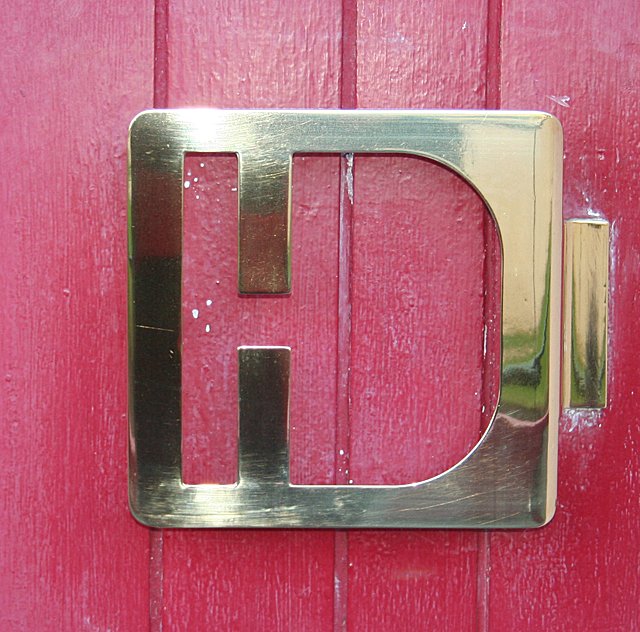
A brass-colored handle can be solid brass, brass plating, a lacquered surface or another metal with a decorative finish. The darker area around its edge may be tarnish, intentional patina, trapped soil or coating failure. A metal polish can brighten some of those surfaces by removing material, which is exactly why it should not be the first diagnostic tool.
Begin by deciding what appearance the handle is meant to retain and what layer your cloth would touch. This guide concerns decorative household hardware rather than cookware or electrical fittings. Antique or significant pieces deserve a conservator's advice before altering patina. The aim is a deliberate cleaning or polishing decision, with the coating and surrounding door protected.
Recover identity without scratching the handle
Check the hardware maker, model and finish name from an invoice or installer. Terms such as antique brass, satin brass and living finish can describe different systems. Ask whether the piece is lacquered, plated or designed to age. A golden color alone cannot answer those questions.
Do not file an edge or scratch an underside to see what metal appears. A magnet observation, where made without damaging contact, may give limited information about a core but does not certify the exposed coating or prove solid brass. If identity remains unresolved, gently remove loose dust from sound areas and postpone polish. The record should distinguish confirmed material from a guess based on color, weight or an internet photograph.
Inspect patina, plating and coating condition
Look in diffuse light and at a shallow angle. Note cloudy lacquer, sharp-edged color changes, worn high points and any powdery deposits. Photograph the whole handle and the local change. Do not peel a lifting film to confirm that it is lacquer; the evidence is already sufficient to stop abrasive treatment there.
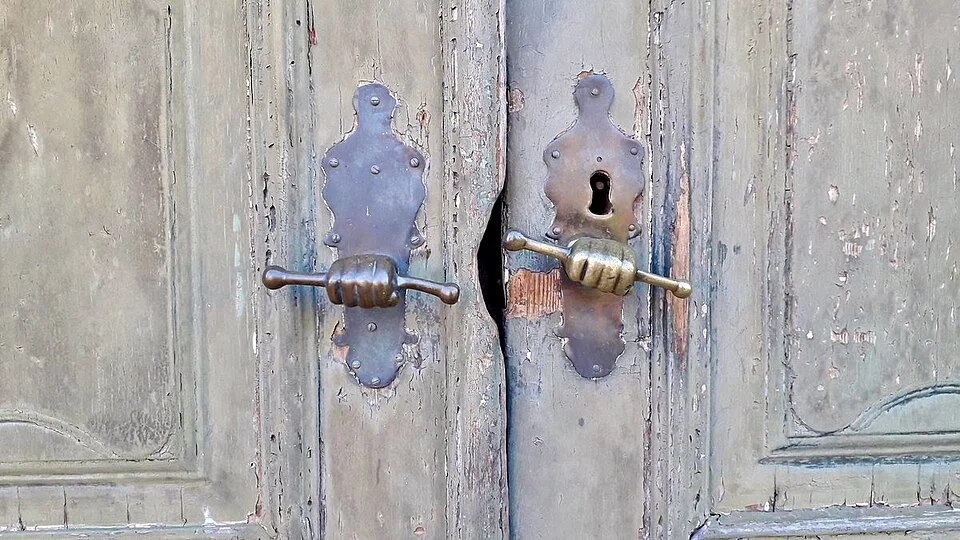
The projecting fingers, narrow bars and recessed backplates offer distinct areas to compare under even light. Record differences between exposed high points and sheltered recesses before deciding whether polishing is appropriate. Surface colour alone cannot identify plating, lacquer or active corrosion; do not remove material to find out.
Photo & usage
Ciara Ní Riain · CC BY-SA 4.0 · Source. Display copies resized and encoded as WebP; no instructional details were fabricated or removed.
The Canadian Conservation Institute distinguishes plated surfaces and explains that continuity of plating helps protect the metal beneath it. A worn high point can expose another material, so polishing harder may make the mismatch larger. A stable dark recess can be part of the intended appearance. Green material needs assessment in context; its color alone does not establish whether it is active corrosion, a stable patina or a residue from previous care.
Decide whether brightness is actually the goal
CCI's brass-and-copper guidance separates cleaning from polishing: cleaning removes contaminants, while polishing removes tarnish and some metal by abrasion. It also recognizes intentional patinas and coatings worth preserving. That distinction matters on a handle whose aged appearance is part of its design or history.
Ask what the maker intended and what the household wants to keep. For a living finish, uneven darkening may be expected rather than a failure of housekeeping. For an antique, brightening can remove evidence and alter value. Write a simple objective such as remove hand soil while retaining the existing patina. Without that objective, every darker patch can become a reason for another irreversible polishing pass.
Remove loose dust and ordinary soil conservatively
Use a clean soft cloth for sound dry surfaces, keeping grit away from the handle and surrounding door. The Western Australian Museum's copper-alloy guidance begins with dry wiping for objects in good condition and emphasizes coating checks before stronger treatment. That is a useful conservative boundary, not permission to use all conservation chemicals at home.
If the modern hardware maker permits mild damp cleaning, follow its exact product and removal instructions on a small inconspicuous sound area. Keep liquid off unfinished wood and vulnerable joints. Dry as directed and inspect the fully dry result. Stop if color, coating or sheen changes. Use a separate cloth for the painted door so metal residue does not create a new gray smear beside the handle.
Polish only an identified suitable surface
If the maker confirms that polishing is appropriate, obtain a product specifically compatible with the metal and finish. Read the complete directions for application, protection, residue removal and any trial. Do not assume a product marketed for several metals is safe over lacquer or thin decorative plating. An abrasive cloth is still a polishing treatment even when no liquid bottle is involved.
Use the least aggressive authorized method and light controlled contact, stopping when the specified result is achieved. Do not chase deep discoloration by rubbing high points disproportionately. Avoid household acid-and-salt recipes, drill-mounted buffers and steel wool unless the actual care system explicitly requires a defined process. These methods can remove or alter material more quickly than their casual appearance suggests.
Keep polish out of recesses and neighboring materials
Prepare clean soft removal cloths and any maker-permitted detail tool before starting. Remove polish residue from accessible recesses according to the product instructions without gouging them. White or colored deposits left around a screw can become another cleaning problem. Do not add water or solvent as an improvised final rinse if the coating or surrounding door does not permit it.
Hardware removal is a separate decision. A handle can contain springs, fixings or alignment details that make dismantling more than a cleaning convenience. Do not take it apart without suitable instructions. If it cannot be polished in place without contacting sensitive paint or wood, ask the installer about safe removal or choose to retain the current appearance until proper access is available.
Evaluate cumulative treatment with a simple example
Suppose, illustratively, a household polishes a handle every month. That is twelve polishing events per year, compared with two if it is polished only twice yearly after condition review. Over five years the counts are sixty and ten. These are invented schedules used to count exposure, not recommended maintenance intervals or estimates of metal loss.
The arithmetic cannot predict how much material either routine removes because product, pressure and finish differ. It does show why polishing should have a reason each time. Gentle approved soil removal can remain a separate routine. Keep a note of whether the handle needed cleaning, whether polish was actually used and what the dry result looked like, rather than turning a calendar reminder into automatic abrasion.
Finish with the intended appearance intact
Inspect under normal light after all directed removal and drying. The handle should have no retained polish, fresh coating damage or unintended bright high points. Check surrounding paint and wood for smears. Operate the handle normally only when it is safe and dry, without forcing a loose mechanism.
Record whether the outcome was cleaning alone, authorized polishing or referral for a coating issue. Keep any unresolved powder, peeling or plating wear outside repeated household treatment. Completion means hand soil is removed and the chosen finish objective has been respected. Brightness is a deliberate finish decision, not a universal measure of whether brass-colored hardware is clean.
THE REFERENCE FILE
Sources & scope
Documentation reviewed 1 Nov 2026. Examples are illustrative; this article does not claim hands-on product testing. Follow the instructions for your actual material, model and location.