Cleaning & care
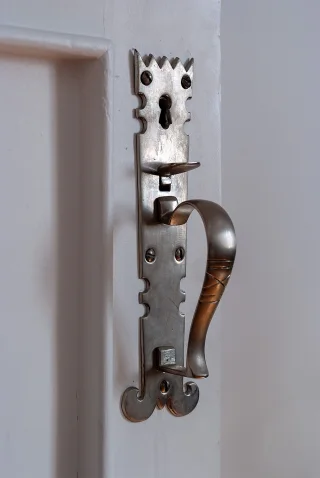
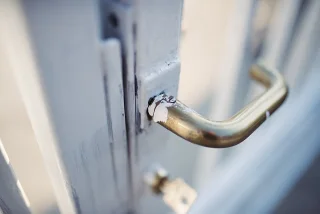
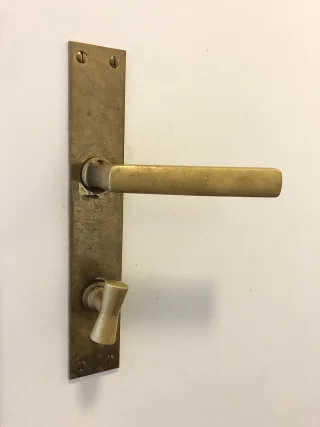
Decide whether brass hardware should be polished
Inspect brass-colored handles for lacquer, plating and intentional patina before cleaning, then separate ordinary soil removal from a deliberate polishing decision.
Find a useful answer
Search the home files by material, room, appliance or everyday question.
231 guides
Inspect brass-colored handles for lacquer, plating and intentional patina before cleaning, then separate ordinary soil removal from a deliberate polishing decision.
Clean a laminate worktop while keeping seams and exposed edges controlled, and recognize when a raised joint is substrate damage rather than removable grime.
Measure folded clothes at the moment clean laundry returns, then size drawers and shelves with an illustrative stack budget and checks for a full rotation.
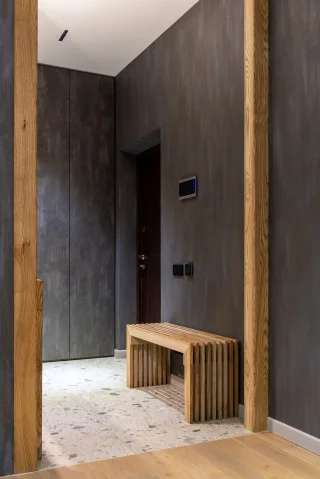
Plan a small entryway around busy arrivals, door movement and everyday belongings, with practical storage limits and a rehearsal before you buy furniture.
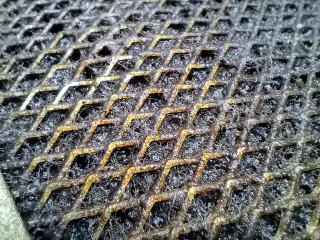
Plan a permitted metal hood-filter clean with safe access, supported removal, thorough drying and documented latch checks before returning the hood to use.
Measure shelf openings around box lids, handles and lifting movements so containers remain usable, with an illustrative height budget and a one-box trial.
Clean a glass tabletop with grit-free tools and controlled residue removal, inspect edges and supports, and decide when a persistent mark needs supplier advice.
Clean a travertine vanity by checking its stone, filled pits and seams, then remove cosmetic residue while separating dirt from missing fill and acid damage.
Separate an oily food mark from detergent residue, choose a fabric-compatible pretreatment, and inspect the dry garment before repeating washing or adding heat.
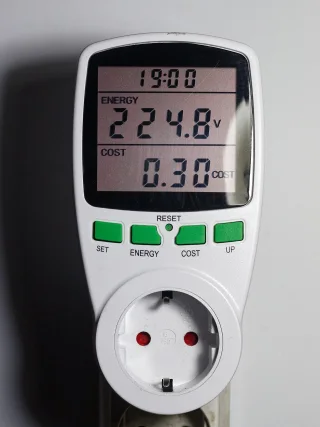
Measure an appliance’s waiting power, compare useful settings and calculate realistic annual savings before deciding whether replacement makes financial sense.
Compare dishwasher runs using the actual programme, accepted options and finished result, rather than treating a shorter display as proof of a better cycle.
Record low-power modes, network settings and elapsed hours before comparing standby costs, with an illustrative mode ledger and checks for uncertain readings.
Restore sleeping, washing and simple meals after a move with a two-day unpacking order that keeps routes clear and essential belongings easy to locate.
Order a room refresh around inspection, surface work, product drying instructions and furniture delivery so later tasks do not undo completed work.
Remove mirror smears with controlled cloth application, protect frame and backing edges, and distinguish front-surface residue from persistent reflective-layer damage.
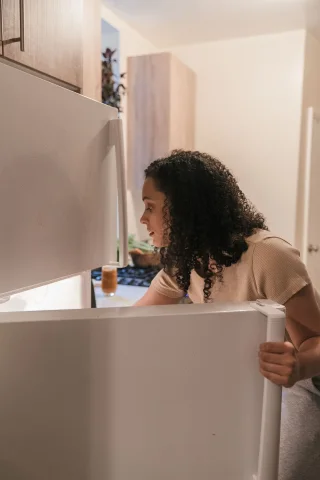
Log refrigerator openings during two ordinary meal preparations, compare counts and durations, and choose a retrieval workflow without claiming measured energy savings.
Record interior stains before, during and after rain, separate changing wetness from old marks, and prepare a useful repair handover without opening finishes.
Count freezer packages one drawer at a time, record exact locations, and resolve stock differences without turning an inventory into a prolonged unloading session.
Record when under-sink water first appears, separate supply, drain and splash clues, and prepare a useful plumbing request without disturbing connections.
Map where pet hair collects on a sofa, choose a fabric-safe pickup method, and check seams and nap before deciding whether removable covers need washing.
Inspect accessible wall pockets behind lightweight furniture, compare local dampness with room conditions, and decide when layout changes need repair support.
Distinguish daily dirt from cured epoxy residue, then match cleaning to the grout product, tile finish and curing requirements instead of reaching for cement remover.
Use purchase records, product identifiers and manufacturer questions to resolve an unreadable care label without guessing a wash route from fibre content alone.
Compare water-using appliance purchase and service costs over a stated planning horizon, keeping water scenarios, unknown repairs and warranty evidence explicit.
Treat a small spill on W-code upholstery by confirming the furniture instructions, controlling liquid and checking the dry panel for rings, residue and texture changes.
Map visible labels, handles and item retrieval from a supported seated position, with an illustrative comparison and boundaries for individual access needs.
Find the light leaks and noise paths that reach your pillow, then adjust curtains, displays and room habits while keeping ventilation and exits clear.
Map your refrigerator’s actual vents and usable shelf space before shopping, then place containers where lids, drawers and doors fit without obstructing air routes.
Choose a bedside surface by observing seated and lying reach, lamp controls and morning retrieval, with an illustrative top-area budget and completion checks.
Document ordinary hot-water waiting times and estimate pre-use volume with stated flow assumptions, without changing heater settings or investigating pipework.
Decide which household items deserve a resale attempt, set collection deadlines, and prepare a realistic donation fallback before cleared space fills again.
Keep pen ink from spreading through a laundry load, identify the pen and fabric, and choose between a labelled treatment and professional care before adding heat.
Log a dryer’s changing estimate beside load, options and actual finish, and distinguish normal sensing adjustments from repeated symptoms that need support.
Record incremental purchase cost, comparable energy and tariff assumptions before replacing an appliance, with an illustrative payback range and decision limits.
Photograph floor condition before cleaning, match care to the actual finish, and separate removable soil from wear in a clear move-out handover record.
Use a paired seating trial to investigate cool-window discomfort, separating air readings, local draughts and surface exposure before changing room settings.
Record water near an air conditioner, distinguish intended condensate discharge from indoor wetness, and prepare a service handover within user-access limits.
Identify a hood’s grease and carbon filters using exact model documents, then record whether each part may be cleaned, replaced or regenerated safely.
Judge indoor mould by its extent, moisture source and household risks. Build a useful contractor brief, recognise stop points and check the finished work.
Reconcile estimated water charges with a later actual meter reading, preserve corrections by period, and prepare a focused utility query when totals do not align.
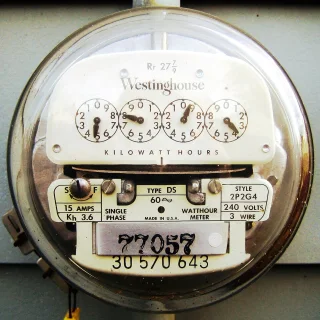
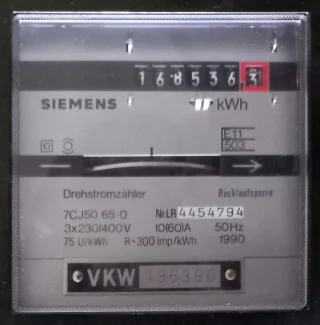
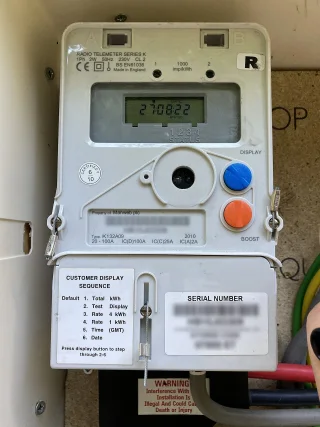
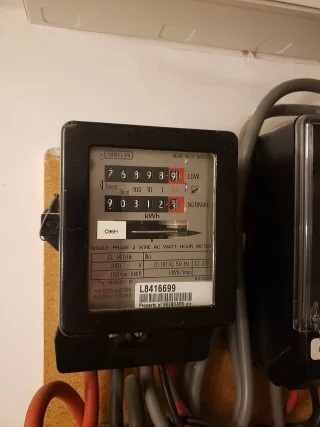
Record cumulative electricity readings with register identity and timestamps, with an illustrative interval calculation and checks for safe, consistent observation.
Plan cleaning for a washable linen or linen-blend slipcover by checking the actual cover label, measuring its fit and coordinating washing, drying and refitting.
Map intermittent household noise with timed observation windows and consistent event counts, keeping uncertain sources separate and avoiding invented decibel averages.
Document accessible cold-pipe droplets, distinguish broad surface beading from uncertain joint water, and decide when insulation or plumbing advice is needed.
Use a careful cool-water workflow for a small personal blood mark on washable bedding, with fabric checks, controlled pretreatment and inspection before drying.
Clean hand marks on painted furniture doors with a small dry-result comparison, while protecting edges and recognizing burnishing, softened paint and wear.
Respond to a spill on S-code upholstery with dry collection, fabric identification and a careful solvent-or-specialist decision that protects backing and trim.
Record stair access, carrying controls, cable reach and storage clearances so a vacuum that fits your floors also fits the way you move and put it away.
Compare fan on and off at the pillow with repeatable listening intervals and ordinary window positions, while keeping outside events and airflow notes separate.
Measure a folding table in use, folded and during changeover, with an illustrative space comparison and checks that keep a small shared room workable.
Check an upholstery cleaner on a hidden area, compare the dry result with untreated fabric, and recognise colour transfer, rings and texture changes before proceeding.
Plan temporary storage, daily routes and work boundaries for a single-room project so the rest of the household can keep using essential facilities.
Build a pantry around the next meals you will cook, with visible opened packets, sensible reserves and clear date labels that keep food moving towards dinner.
Observe toilet-tank droplets and floor water separately, record flushing and room conditions, and recognise when a plumber needs to investigate the source.
Identify which water and sewer bill lines change with consumption, keep fixed fees separate, and calculate a limited volume-change scenario using your tariff.
Identify substrate and stain questions before buying primer, distinguish spot treatment from whole-surface work, and confirm the selected coating system.
Clean a lacquered cabinet or table with a controlled wipe, then distinguish removable residue from cloudy finish damage before trying a stronger product.
Use a simple clean-glass comparison to separate sink-area odours from water that carries the smell, then choose the right plumbing or water-provider follow-up.
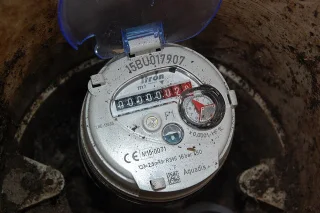
Match a water meter’s register scale to the bill’s consumption unit, preserve decimal readings, and check conversion arithmetic before comparing household use.
Track where and when window condensation appears, compare humidity readings, and use a simple log to decide whether a dehumidifier or a repair is needed.
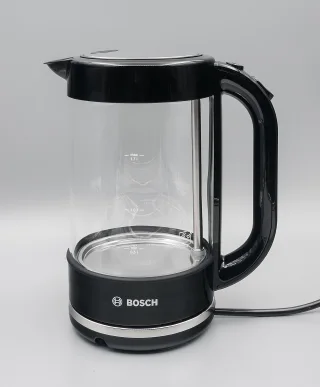
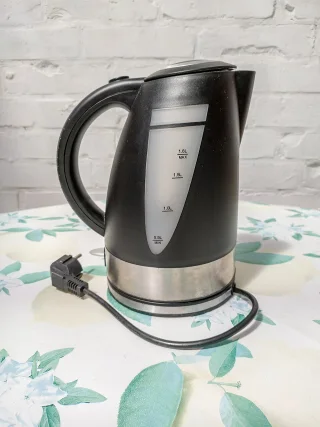
Measure the water your household cups actually need, then plan kettle fills within the exact minimum and maximum marks using the kettle’s original base.
Track a room after direct sun ends, comparing fixed air readings, warm-seat observations and everyday activity to investigate why discomfort continues into evening.
Compare belongings with measured destination space, replacement difficulty and confirmed reuse routes before paying to transport items you cannot use.
Inspect plant saucers, cachepots and window ledges for local water, distinguish watering spills from condensation, and protect surfaces without overclaiming air benefits.
Link rental condition photographs to named rooms and written observations, keeping original files and clear comparison views for later inspection.
Check your washer’s quick-programme load and soil limits, record the actual settings and result, and decide when a longer permitted programme is the better fit.
Map daylight at near, middle and deep task positions using the same page, posture and time checks, then choose useful places without confusing sun with visibility.
Record bedroom moisture around normal sleeping routines, compare morning conditions fairly, and investigate ventilation without changing nighttime door safety.
Plan a bedroom dusting route around shelves, bedside items and the bed frame, using clean cloth faces and floor care that follows the room’s actual finishes.
Map two sleepers’ dressing, storage and exit movements before dividing a shared bedroom, with an illustrative overlap comparison and practical layout checks.
Record dehumidifier collection by operating interval, temperature and room activity, and distinguish bucket output from drying a particular wall or surface.
Give clothes between wears a measured destination apart from clean laundry, with an illustrative capacity limit and checks for garments, access and room use.
Measure screen position, keyboard space and paper handling before choosing a shallow desk, with a worked layout and checks for cramped working positions.
Match unwanted household goods to confirmed recipients, sort acceptance requirements, and schedule dispatch so donation bags do not become permanent storage.
Clean an oily-looking granite counter by comparing removable film with persistent darkening, then choose a compatible next step without unnecessary resealing.
Plan a rolling storage cart’s loaded footprint, turning route and parking position, with an illustrative clearance comparison and checks before everyday use.
Trace pale lint on dark clothes to likely shedding items, separate compatible wash groups, and inspect pockets and dry fabric before blaming the detergent.
Split water consumption across tariff blocks, check service-period thresholds, and calculate how a proposed reduction crosses tiers before estimating its charge effect.
Compare outdoor dew point with indoor conditions before airing a damp room, while allowing for rain, pollution and the limits of household measurements.
Compare washer water ratings with exact model identity and drum capacity, distinguish standardised indicators from real loads, and preserve purchase evidence.
Separate fixed electricity charges from avoidable energy costs before estimating savings, with an illustrative bill calculation and checks for marginal rates.
Compare containers by usable shape, opening size and access rather than advertised liters alone, with an illustrative packing example and checks before buying.
Remove fingerprints and residue from matte engineered quartz while checking the exact finish instructions and avoiding abrasives that create a shiny island.
Read a dull or dark mark on a marble tabletop, clean away ordinary residue, and decide whether the next step is stain treatment or professional finish repair.
Map direct sun at each window, record when it reaches occupied seats, and create a shading routine that follows actual exposure rather than compass labels.
Normalize electricity records to kWh per day before comparing unequal bills, with an illustrative period calculation and checks for estimates and missing days.
Record a wool sweater’s relaxed dimensions, follow its permitted wash and flat-drying route, and compare the dry result without stretching it to match a target.
Build a useful overheating diary with fixed sensor positions, matched observation times, outdoor context and clear limits on what a small room trial proves.
Clean sound cement grout with a compatible neutral method, compare the fully dry result, and distinguish retained discoloration from damaged or persistently wet joints.
Check a moving delivery against carton identities and condition notes, document exceptions clearly, and keep essential evidence available after unloading.
Keep a rental repair log that separates visible symptoms, reported dates, access arrangements and completion evidence without guessing the underlying fault.
Translate track width, heading fullness and per-panel measurements into a curtain purchase count, with a separate check for stack-back and clear opening.
Create a cool-water tap timing record with a fixed vessel and consistent controls, recognise collection errors, and decide when observations need a service query.
Clean fingerprints from matte laminate doors by identifying the surface family, rinsing away residue and checking for sheen changes before using special methods.
Compare pile direction, pressure marks and deposited soil on velvet upholstery, then choose care that respects the fabric instructions and avoids permanent crushing.
Confirm where your kitchen hood sends air, arrange pans for better capture, and build a practical cooking routine that reduces lingering moisture and condensation.
Give reusable mop pads a clear wash, drying and ready status so a damp pad does not return to the floor or disappear into storage between cleaning sessions.
Collect a spill on a sisal or jute rug without wet shampooing, check the backing and floor, and choose a fiber-compatible dry-care or specialist response.
Choose desk and reading-chair lamps by checking glare, shadows, reach and page coverage, with practical placement trials and a clear shopping brief.
Compare ordinary hot-water task sequences using recorded waits and completion needs, keeping hygiene, appliance instructions and system changes outside the experiment.
Record hood-filter condition alongside real cooking patterns and manual intervals, keeping inspection reminders distinct from cleaning or replacement decisions.
Check a musty storage box by separating container, contents and location clues, protect unaffected belongings, and recognise when specialist care is needed.
Build a period-specific electricity rate ledger to separate price changes from use changes, with an illustrative split bill and checks for tariff boundaries.
Identify your floor finish, check its care instructions and choose a compatible cleaning method, with practical trial steps and clear reasons to stop or get help.
Clean the bed frame, accessible floor and permitted mattress surfaces in a planned order, keeping dust removal separate from stain treatment and moisture problems.
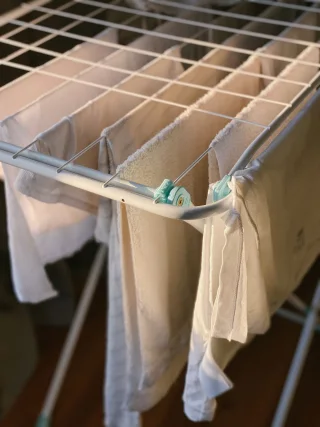
Use a simple laundry mass record to understand indoor drying, compare rack arrangements fairly, and distinguish evaporation from moisture leaving the home.
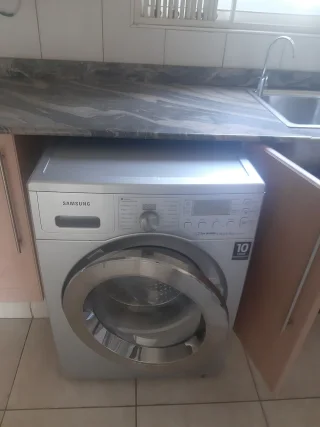
Compare washer electricity and water costs using your own tariffs, realistic load counts and a worked example that shows when a purchase premium pays back.
Create a room project purchasing order that checks dimensions, return terms and lead times before custom items or bulky deliveries make changes difficult.
Compare equivalent appliance labels using annual kWh and one stated electricity rate, with an illustrative cost calculation and checks for mismatched test bases.
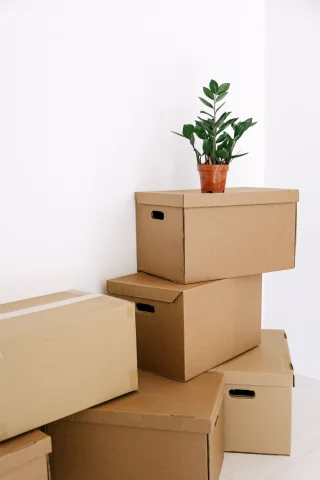
Create moving-box labels that identify destination, opening priority and missing items, while keeping sensitive contents out of public view during delivery.
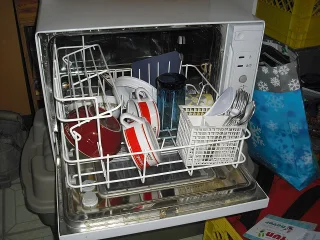
Arrange plates, bowls and awkward cookware so spray and detergent can reach them, then use the finished load to spot obstructions and decide what to change.
Match a garment’s bleach restriction with detergent and stain-product labels, recognising oxygen bleach limits before treating a mark or building a wash load.
Check a washed mattress protector for damp binding, damaged backing and distorted corners, then decide whether it can be refitted or needs manufacturer advice.
Measure under-bed openings, internal obstructions and box retrieval paths before buying storage, with an illustrative fit example and checks for dry contents.
Handle a coffee splash on a washable shirt by identifying milk or sugar, testing a permitted pretreatment, and checking the stain before heat drying or storage.
Create a household water baseline using verified meter intervals, occupancy notes and unusual-use records, with clear limits on per-person comparisons.
Assess evening lamp reflections in window glass from normal seats, then compare existing light and curtain positions while preserving page visibility and safe access.
Map desired quiet-use periods against observed household appliance events, then compare practical timing options without guessing faults or blaming neighbours.
Protect food first, then use a temperature log, door and airflow checks, and a controlled observation period to decide when your refrigerator needs service.
Plan laundry backwards from drying instructions, sort compatible care labels, and build a manageable routine for everyday clothes and special-care garments.
Use a limited bathroom fan intake observation responsibly, distinguish tissue movement from measured airflow, and prepare a precise request for ventilation help.
Plan when to change solution and pads between household cleaning zones, then clean the bucket and wringer so the next session starts with inspected equipment.
Record cordless vacuum runtime with the actual mode, tool and starting charge, and distinguish a practical route plan from a battery-capacity diagnosis.
Compare morning blind angles at a breakfast table, checking direct sun, plate reflections and useful daylight before settling on a repeatable daily setting.
Arrange linen around complete bed sets, comfortable reach and the space clean laundry needs, with a practical cupboard trial before buying baskets or dividers.
Remove limescale by matching treatment to the exact finish, controlling runoff near stone and seals, and checking when a stubborn mark needs specialist advice.
Give every cleaning product a safe return location: check labels, separate incompatible bottles, resolve excess stock and verify secure storage that works daily.
Distinguish lingering room sound from incoming neighbour or traffic noise using quiet, reversible furnished-room comparisons and careful notes about uncertainty.
Sort reusable microfiber cloths by task and care instructions, avoid lint transfer and incompatible additives, and inspect edges before returning them to use.
Compare daily electricity use with occupancy recorded separately, using an illustrative person-day calculation and checks that preserve fixed household loads.
Split electricity changes at tariff tier boundaries before pricing them, with an illustrative reduction calculation and checks for daily allowances and billing dates.
Remove meal spills from an identified oiled dining table, recognize when cleaning has finished, and plan compatible re-oiling without trapping dirt or excess oil.
Compare indoor and outdoor evening conditions to choose a window-opening opportunity, with checks for humidity, air quality, security and changing weather.
Separate daily essentials from the moving load, set a realistic packing cutoff, and resolve late items before the carrier arrives at your old home.
Track lingering kitchen odours through cooled cookware, waste and nearby textiles, distinguish sources from air movement, and choose a focused next action.
Build a monthly home maintenance checklist around safe checks, named locations and clear follow-ups, with a usable record that keeps unfinished repairs visible.
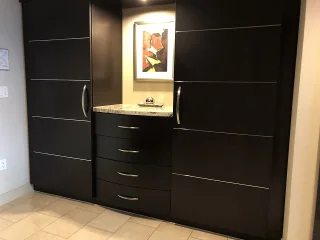
Measure real household contents, opening clearances and retrieval needs before ordering cupboards, so advertised storage volume becomes usable capacity.
Compare existing fixture flow records by mode, control position and collection method, then separate observed rate changes from assumed daily water savings.
Check vacuum-head compatibility and permitted settings when a rug is hard to push, record surface-specific behavior, and stop before forcing a protected brush.
Map unwanted draughts, preserve essential ventilation and repair a suitable window seal, with practical checks before fitting and after the room is back in use.
Build a room-by-room shade schedule, choose when to open windows, and plan a cooler evening with practical checks for heat, humidity, smoke and safe airflow.
Handle a spill on a viscose or bamboo-silk rug with prompt blotting, careful dry maintenance and a specialist handover that avoids expanding water marks or pile damage.
Reconcile your exact kettle manual with a descaler’s label before treatment, recording compatibility, dose, temperature, contact time and rinsing requirements.
Check exact manual permission before removing a kettle spout filter, then distinguish loose scale, correct seating and damage during cleaning and refitting.
Learn why relative humidity can fall when a room warms, compare paired temperature readings, and check for actual drying before crediting the heating.
Compare an ordinary door open and closed during a modest household sound trial, keeping listening positions fixed and leaving required vents and fire features intact.
Build a room-by-room moving inventory that connects belongings to boxes and destination rooms, tracks exceptions, and makes pickup and delivery easier to check.
Handle a small wool-rug spill with prompt blotting, fiber and backing checks, compatible spot care and a dry-result inspection that protects pile and fringe.
Compare dated views of package frost and visible freezer walls during normal access, record closure changes, and decide when recurring frost needs service.
Remove dried mud from washable trouser hems without grinding grit into the weave, then distinguish remaining soil from abrasion before washing again.
Compare two room humidity meters side by side, check accuracy ranges, and decide whether disagreement affects the moisture decision you actually need to make.
Separate bedding, protector and mattress after a drink spill, blot without saturation, and use product-specific care limits before deciding when to remake the bed.
Map bathroom droplets by location and timing to distinguish likely splash from condensation, while recognising when stains or persistent wetness need assessment.
Allocate shared everyday storage around different users’ approaches and comfortable reach, with an illustrative category split and checks for reliable return.
Compare cleaner residue, grout haze and changed polish on porcelain wall tile, then choose a finish-compatible response without scratching the reflective surface.
Compare vacuum candidates against your carpet, rugs and hard-floor instructions, recording head permissions, dust containment and service needs before buying.
Prepare receiving space, room placement and packaging routes before furniture delivery, then check identity and condition before the crew leaves.
Find when afternoon sun starts warming a west-window seating area, compare early and late blind operation, and keep useful daylight during a focused trial.
Identify whether a glossy dining table reflects a window or pendant, compare reversible surface trials, and retain a usable setting for meals and paperwork.
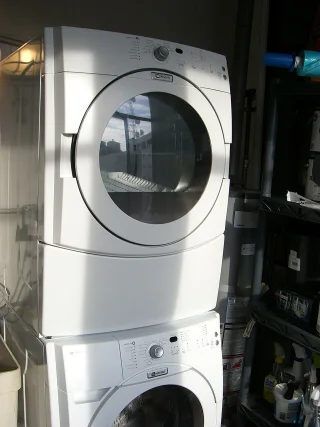
Match dryer sensor and timed programmes to the actual load and manual, record the dry endpoint, and avoid adding minutes that repeatedly over-dry part of a load.
Choose and document a room thermometer position, compare paired instruments, and distinguish changes in air readings from sun, surfaces and sensor placement.
Compare paint samples beside retained finishes at recorded times of day, noting lighting and sample limitations before committing to the final coating.
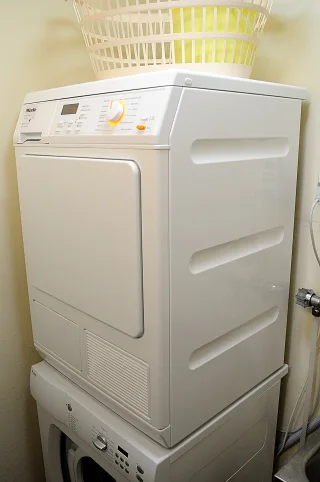
Map a heat-pump dryer’s user-access filters and indicators from its own manual, record permitted care, and distinguish routine reminders from service-only work.
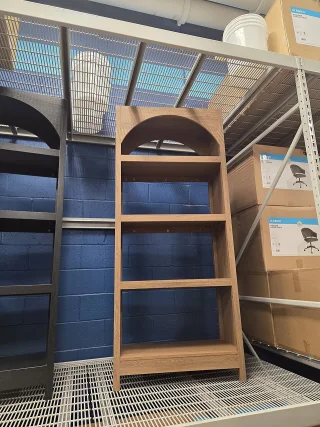
Compare shallow freestanding shelves using book depth, box handles and retrieval room, with an illustrative capacity comparison and checks before purchase.
Read the washer manual before selecting rinse-and-spin or drain-and-spin, distinguish added water from extraction, and document an unfinished-load decision.
Prepare a room-by-room rental checkout comparison using arrival photographs, repair records and current observations while keeping unresolved differences clear.
Compare two manufacturer-permitted bulb colour appearances at matched lumen ratings in one living room, keeping the shade, seat and observation tasks consistent.
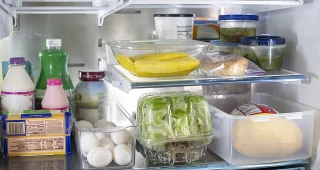
Set up a visible refrigerator use-first zone, preserve meaningful food dates, and keep raw items contained without treating a priority label as a safety guarantee.
Compare television seating and curtain positions using the same dark scene, tracing window reflections while preserving everyday daylight and room access.
Distinguish electrical nameplate ratings from measured operating energy, with an illustrative duty-cycle comparison and checks before estimating annual costs.
Create two distinct work kits for one small desk, measure their storage and reset sequence, and use an illustrative handoff budget to resolve recurring conflicts.
Trace a narrow curtain centre or side light leak from your normal pillow position, then compare ordinary curtain adjustments without attaching anything to glass.
Separate washer soil, temperature and spin decisions, check the exact programme’s available settings, and record results without assuming higher always means better.
Check a narrow furniture gap for access, controls and retrieval before adding storage, with an illustrative usable-width calculation and a clear rejection test.
Clean a shower curtain using its own care instructions, then trace damp folds, hem contact and lingering bathroom moisture to prevent the problem returning.
Trace hand and body shadows during a dining-table craft task, then compare safe seat, work and existing-light positions before deciding what still needs attention.
Compare peak and off-peak electricity quantities under consistent time rules, with an illustrative shifted-use calculation and checks for missing interval data.
Measure curtain length from the selected heading’s hanging point, compare uneven floor readings, and resolve obstructions before hemming or custom ordering.
Clean greasy glazed ceramic backsplash tiles with controlled dwell and residue removal while protecting grout, decorative finishes, outlets and nearby counters.
Trace a bright window reflection on a monitor with controlled angle trials, then compare readable layouts without relying on maximum screen brightness.
Compare existing sheer and opaque curtain positions for daytime privacy and task visibility, with matched indoor checks and a consented outside sight-line review.
Build a towel batch that fits both washer and dryer, check spin results, and know when damp towels call for a smaller load or appliance service.
Clean a veneered desk or cabinet while checking exposed edges, seams and bubbles, and separate ordinary surface soil from damage that needs a repairer.
Compare fan distance, direction and speed at one reading seat, tracking useful airflow and distracting noise without confusing personal cooling with room cooling.
Choose which possessions can sit behind a front row by observing frequency and removal effort, with an illustrative access comparison and checks for hidden items.
Reconcile estimated electricity use across an actual-to-actual interval, with an illustrative catch-up calculation and checks before treating one bill as a spike.
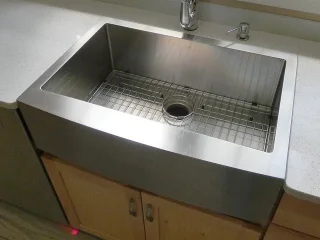
Clean a stainless steel sink gently, distinguish residue from scratches, and choose safe next steps for mineral marks without damaging the existing finish.
Compare screen footprints, viewing priority and mouse space before fitting two displays on a small desk, with a worked width budget and practical task checks.
Map the chair while sitting, standing and turning before adding desk drawers or cabinets, using an illustrative clearance budget and practical movement checks.
Make a household outage handover card, protect refrigerated food, pause appliance cycles and check what needs attention when electricity returns.
Distinguish selecting a dishwasher sanitizing option from confirmed completion, record interruptions, and follow the exact model without claiming sterilization.
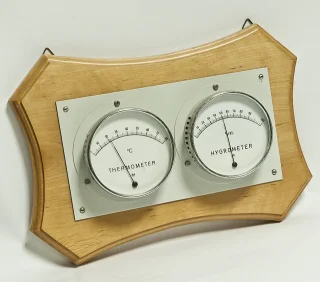
Choose a useful hygrometer position, distinguish room readings from damp pockets, and create a repeatable record before acting on small humidity changes.
Track bathroom air and surface drying after a normal shower, distinguish a clear mirror from a dry room, and set a useful follow-up for persistent wetness.
Use a scale paper plan to compare pillow views, window light and nearby warm or cool surfaces before committing to a different bedroom layout at home.
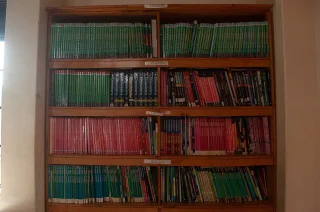
Work shelf by shelf to remove ordinary bookcase dust, protect books from moisture, and identify dampness or fragile material that needs a separate care decision.
Give shared-room projects a measured overnight destination and a clear handoff, with an illustrative container count and checks that protect everyday room use.
Separate a pet bed cover from its insert, remove loose hair, follow each component’s care instructions, and inspect seams and filling before returning the bed.
Count and weigh representative storage groups before loading freestanding shelves, with an illustrative load budget and clear limits on household calculations.
Compare storage lids, handles and drawers during one-handed household tasks, with an illustrative action count and checks for stability, access and return.
Match the full appliance identifier and region to an official user manual, compare candidate documents, and confirm permitted parts before starting maintenance.
Create a practical route for wet shoes, umbrellas and raincoats, check hidden moisture before storage, and tell tracked-in rain from recurring entryway leaks.
Calculate bedding sets from occupied beds, change frequency and real laundry turnaround, then check mattress dimensions and storage before buying extras.
Track slow-drying patches after ordinary floor cleaning, compare application and airflow clues, and recognise when recurring moisture needs a different investigation.
Keep vacuum pickup consistent with a model-specific maintenance record, safe bag and filter checks, and a repeatable floor check that catches gradual decline.
Separate clothing, storage surfaces and room clues when a wardrobe smells musty, and decide what needs drying, care or professional moisture investigation.
Trace a higher electricity bill through billing days, meter readings and tariff lines, then choose one useful change and check whether it made a difference.
Normalise water consumption by actual service days, separate bill issue dates from meter periods, and identify when a longer interval explains a higher total.
Build a paint ledger that separates walls, ceilings and primer, checks coverage assumptions, and turns measured areas into sensible unopened tin quantities.
Measure real garment spacing, hanger depth and rail access before choosing a clothes rack, with an illustrative capacity budget and clear buying boundaries.
Clean a protected leather seat by confirming its finish, controlling cloth moisture and distinguishing removable soil from dye transfer, peeling or coating wear.
Compare permitted dishwasher drying options using separate plastic and ceramic observations, account for pooled water, and avoid rerunning an otherwise clean load.
Compare bedside drawers and open trays by retrieval frequency, opening space and visibility, with an illustrative use log and checks for the route out of bed.
Inventory small-room belongings by retrieval frequency and handling needs, with an illustrative shelf allocation and checks that keep daily items accessible.
Convert accumulated kWh and elapsed hours into average watts, with an illustrative cycling-load example and checks for reset counters, modes and meter limits.
Use room and surface observations to review humidifier output, stop local dampness, and maintain the actual model without turning a humidity target into a guarantee.
Build a sofa measurement sheet that checks room layout, everyday walking space and the full delivery route before you commit to a size or configuration.
Create a rental-friendly office corner that fits your working posture, keeps cables clear and packs away neatly, with practical checks before buying furniture.
Map room, wardrobe and storage-door movements before adding furniture in a rental, with an illustrative overlap calculation and checks for everyday access.
Care for a waxed antique chest by separating loose dust, old polish and unstable decoration, with conservative cleaning limits and useful referral notes.
Measure shower flow with repeat bucket catches, separate warm-up water from washing time, and compare practical changes before replacing your showerhead.
Assess a pet-soiled washable throw, protect surrounding surfaces, follow compatible cleaning instructions, and recognise when recurring odour needs another decision.
Record visible wall features, usable spans and unresolved fixing questions before planning cabinets, rails or furniture positions in a room project.
Coordinate loading access, lift reservations and delivery contacts before moving day, with a written fallback for restrictions at either address.
Build separate reading and lower-light zones in a shared living room by checking both occupants’ sight lines, lamp spill and a practical agreement for daily use.
Compare thin and thick items at the dryer endpoint, separate compatible loads using the manual, and record the full task rather than only the first cycle time.
Write freezer labels that retain identity, dates and quantities, then account for a split package without confusing a fresh label with a fresh storage history.
Plan a temporary storage gap between homes by separating access needs, documenting packed goods, and confirming facility and carrier requirements in writing.
Record paint product, colour code, base, sheen and intended surfaces before purchasing, then verify each container against the agreed room specification.
Distinguish pale detergent residue from lint or fabric change, check dosing and load movement, and choose a permitted rinse or rewash before changing products.
Compare warm-weather airing with cool basement surfaces, record dew-point context, and separate possible condensation from water entry and storage problems.
Agree ownership, space limits and review dates for shared belongings so a household decluttering project can progress without an expanding undecided pile.
No matching guide. Try a broader word.