Treat colour as one field in the order
Two cans can carry the same colour name while containing different product lines, sheens or formulations. A room project that records only the colour leaves too much to memory at the counter and during later maintenance. Write a complete order before buying the main quantity.
List the manufacturer, product line, intended interior surface, colour reference, sheen and container size. Include the supplier's product identifier where available. Ask the retailer to confirm the correct base and tinting arrangement for that exact combination rather than selecting a base yourself from a general rule.
Keep the order separate from the quantity calculation. This article addresses purchasing identity and handoff errors; the existing Ceetv quantity guide covers measuring the painted area. A correct volume of the wrong product remains a purchasing failure, even when every area calculation is accurate.
Map products to surfaces
Give each surface a name: bedroom walls, ceiling, door or trim. Record the substrate and existing finish only where reliably known. For uncertain surfaces, ask the retailer or decorator what information is needed before a product can be selected.

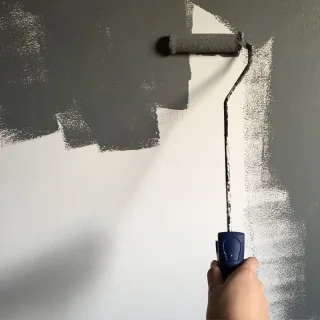
The photograph distinguishes a broad wall face, the adjoining wall, a doorway and window surrounds. List each included surface separately before assigning its specified product, colour and finish to the order. Visible application does not identify the paint line, colour code, sheen, substrate preparation or any required primer system.
Photo & usage
U.S. Navy photo by Petty Officer 1st Class Ryan McLearnon · Public domain · Source. Display copies resized and encoded as WebP; no instructional details were fabricated or removed.
Do not assume a product described as paint and primer removes every need for specialist preparation. The reviewed Benjamin Moore N627 technical sheet includes substrate and primer guidance for that particular coating. Use the actual chosen product's sheet and obtain advice for difficult or unidentified surfaces.
Keep repair work and underlying conditions outside the colour decision. If staining, loose paint or moisture concerns remain unresolved, pause the affected purchase specification. A premium topcoat cannot be relied upon to solve an unassessed substrate problem, and a colour match says nothing about adhesion.
Confirm sheen within the actual product line
View the manufacturer's sheen information and a relevant sample if appearance is critical. Benjamin Moore's finish guide describes sheen as reflected light and explains its appearance effects. Names such as satin or eggshell should not be assumed identical across brands or product lines.
Discuss the room's use, cleaning needs and visible surface condition with the supplier. Avoid universal claims that one sheen is always correct for a particular room. Product performance and preparation matter alongside appearance, and the manufacturer may offer specialised coatings with different recommendations.
Write the approved sheen beside every surface. If walls and trim use the same colour, their different product identities still need separate order lines. A single “white paint” line invites accidental substitution when someone else collects the order or uses the leftovers later.
Reconcile a mixed order by line item
This illustrative order contains three containers: two 1-gallon wall-paint cans and one 1-quart trim-paint can. In US liquid units, the total nominal volume is 2.25 gallons because four quarts equal one gallon. That total does not make the products interchangeable.
If the retailer supplies one wall can in the approved sheen and one in a different sheen, only one of the two wall containers matches the order. The trim quart cannot be counted as replacement wall paint merely because the colour reference is the same.
Check identity by line before adding volumes or opening cans. The example uses invented quantities and does not estimate a room's coverage. Actual coverage and coat requirements belong to the selected product and substrate, and the order should retain those instructions alongside the quantity worksheet.
Verify the label before leaving the supplier
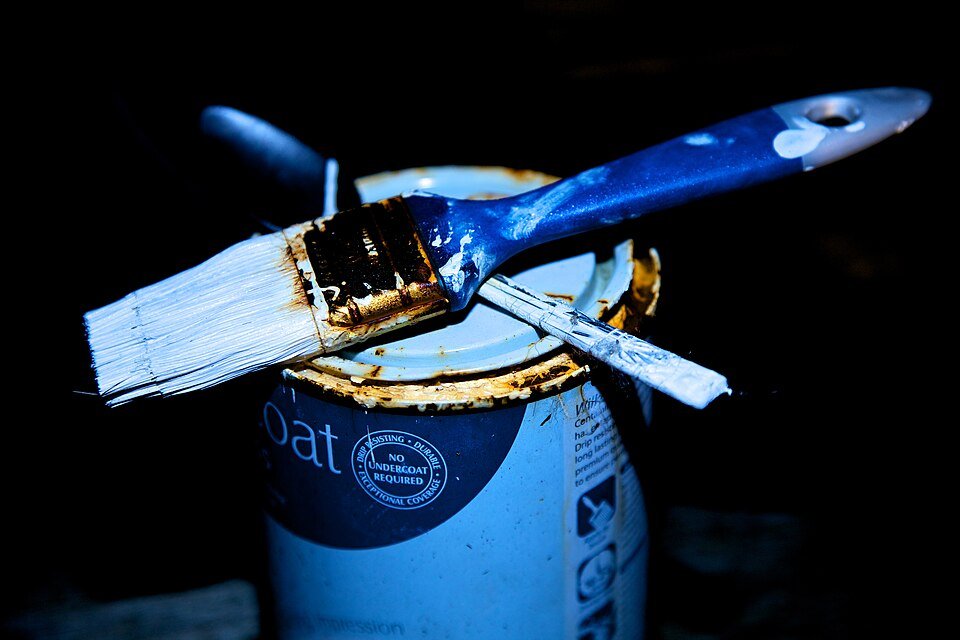
Compare each container with the written brief: product line, sheen, colour code, size and tint label. Ask about any difference in naming or product number. Keep the receipt and a legible photograph of the final label, avoiding unnecessary personal information.
If several containers are intended for one continuous surface, ask the supplier about batch consistency and any manufacturer-recommended combining procedure. Do not improvise by mixing different product lines, sheens or incompatible leftovers. Obtain the actual instructions for the coating supplied.
Check the container condition and closure. If a label is missing or unreadable, resolve it before leaving rather than trying to identify the paint from appearance later. An unlabelled container creates uncertainty for application, storage, touch-up and eventual disposal.
Make the application handoff unambiguous
Place the surface map and product brief where the person applying the coating can read them. Mark containers by their intended room and surface without covering manufacturer warnings or instructions. Keep separate products physically organised so similar lids do not become the only distinction.
Confirm preparation, application and timing with the exact technical sheet. The N627 sheet reviewed for this article is a product-specific example, not authority for another coating's dry or recoat interval. If the supplied product differs from the brief, obtain its documentation before work begins.
Ask the applicator to identify any discrepancy before opening or using the product. A quick pause at that stage can prevent an entire wall being coated with the wrong sheen. Record authorised changes on the surface map rather than relying on a conversation that future maintenance cannot recover.
Create the future touch-up record now
After application, record the final product used on each surface and the date. Save the tint label, receipt and relevant instructions together. A photograph of the room's colour is not a reliable replacement for its product identity.
Keep suitable leftovers only under the manufacturer's storage directions and local requirements. Label the room and surface on the retained container. Do not decant into a food container or remove safety information to make storage neater.
Recognise that a later touch-up may still differ because of ageing, application or surface conditions. The record improves identification; it does not guarantee an invisible repair. Ask the manufacturer or decorator how to approach a specific visible mismatch rather than assuming the original colour code settles every variable.
Close the order against actual use
Compare unused stock with the final specification before returning eligible goods or storing spares. Keep tinted or opened products within the actual supplier terms. Arrange appropriate local disposal for unsuitable leftovers rather than combining them simply to reduce the number of containers.
Update the file if a product was changed, rejected or used on a different surface. A beautifully organised original order is misleading if it no longer describes the room.
The purchasing task is complete when every applied surface has a traceable coating identity and every remaining can has a known purpose or exit route. That is the evidence needed to prevent the next purchase from beginning with a guess.
Give a collector a product identity checklist
If another person collects the order, send the exact approved lines and a photograph of the relevant specification. Ask them to compare product line, sheen, colour reference and size before accepting the containers. They should contact you or the supplier about a discrepancy rather than approving a substitute from memory.
Keep the collection name and order number separate from the product details so private information does not need to appear in a shared room file. After collection, photograph the actual labels and compare them again before work begins.
For a split order from different branches or dates, ask about consistency and mixing guidance for the actual products. Do not infer that identical colour wording makes every container suitable for one continuous surface without the manufacturer's instructions.
THE REFERENCE FILE
Sources & scope
Documentation reviewed 1 Nov 2026. Examples are illustrative; this article does not claim hands-on product testing. Follow the instructions for your actual material, model and location.