An odour at the tap is not automatically in the water
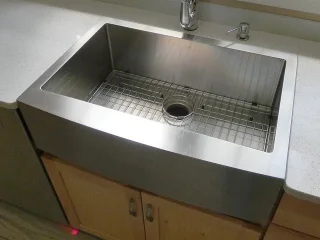
Turning on a tap can make a sink-area smell more noticeable, which can lead to an immediate claim that the water supply is the source. The drain, disposal unit or surrounding material may be contributing instead. Start by separating the location from the sample. This is an observation routine, not a drinking-water safety test.
If there is a current water advisory, unusual contamination concern, sewage backup or strong unexplained gas-like smell, follow the appropriate local guidance and contact the relevant service. Do not taste suspect water, use a flame or lean into a drain to identify it. A household smell comparison cannot override an official advisory.
Portland Water Bureau: Taste and odor issues in drinking water describes moving a clean glass of water away from the sink to help distinguish water-associated odours from drain-area odours. The value is in narrowing the next question. The result does not identify every chemical, establish potability or prove that the plumbing is free of defects.
Keep the container from becoming another source
Use a genuinely clean glass without detergent fragrance or a previous drink smell. Rinse it as appropriate and avoid a container that has stored scented products. Note which tap and whether hot or cold water is being observed. Do not combine them into an undefined warm sample if the concern differs by temperature.
Fill the glass during ordinary use and move it to a different suitable room away from the sink. Observe from normal handling distance without deliberate deep inhalation or tasting. Note whether the original odour seems to remain with the water, seems limited to the sink area or is uncertain. Uncertainty is a valid outcome.
Do not run a large volume merely to force a conclusion. Water providers may give specific flushing instructions for local circumstances; follow the relevant advice rather than applying a universal duration. Record any recent plumbing work, period of disuse or local supply notice that could change the interpretation.
Read the result as a direction for enquiry
The following scenarios are illustrative and invented. They show how to route a question, not how to certify water quality. A real concern may need the local provider's assessment even when the household comparison seems straightforward.
| At the sink | Glass in another room | Useful next question |
|---|---|---|
| Odour noticed when tap runs | Original odour not noticed | Could the drain area be the source? |
| Odour noticed | Similar odour remains with sample | What does the water provider advise? |
| Only hot-water use associated | Difference remains uncertain | Should hot-water plumbing be assessed? |
The first row supports a drain-area investigation, but it does not prove a particular trap or disposal component has failed. The second does not prove a public-supply fault; private plumbing can also affect water. The third preserves the temperature association without asking the household to service a water heater.
Include infrequently used floor drains where relevant
If the smell seems associated with the drain area, note whether the fixture is used regularly and whether other drains or rooms are affected. Do not remove a trap or open a disposal housing. A blocked, leaking or slow drain needs appropriate plumbing assessment rather than an odour-masking product.
City of Toronto: Tap Water Taste or Odour explains that water retained in a trap helps block sewer odours and notes dry floor drains as one possible source. Apply that principle only where the actual drain type is known and there is no backup or contamination concern. Follow local or building instructions for maintaining the water seal; do not pour liquid into an unidentified opening.
A smell returning quickly after appropriate ordinary trap maintenance deserves further assessment. Do not keep adding water indefinitely while ignoring gurgling, backup or a wider building pattern. Shared drainage and venting arrangements can require building-level work. The household record should describe which fixtures are involved and when the concern returns.
Do not use a cleaner as a source test
Pouring a strong chemical down the drain can change the smell without identifying the original source. It may also be incompatible with existing products, disposal equipment, pipe materials or wastewater arrangements. Do not mix bleach, acid, ammonia or drain cleaners. If professional service is needed, tell the plumber what has already been used.
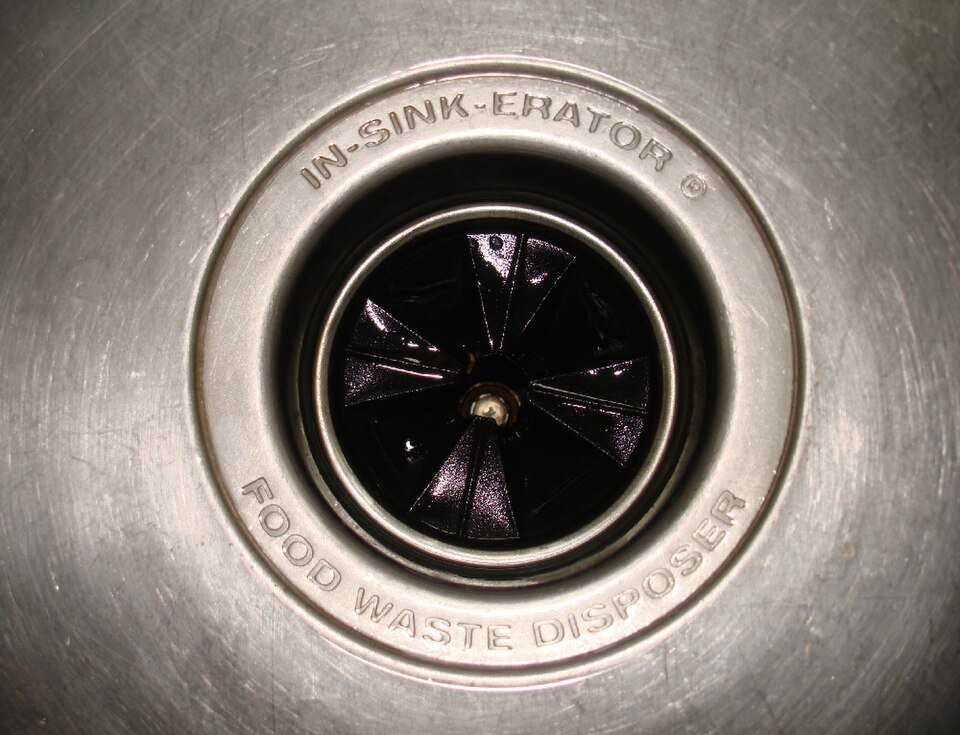
Use manufacturer-approved routine care for any disposal unit or removable user-access part, with the required power isolation and access precautions. Never put a hand into a disposal to search for an odour source. A general sink guide does not override the actual equipment's instructions.
EPA: Improving Indoor Air Quality emphasizes source control. In this setting, that means identifying the relevant drain, plumbing or water concern and using suitable care or repair. Fragrance and a briefly altered smell do not demonstrate that a source has been removed. Absence of odour also cannot establish that air or water is safe.
Prepare the question for the right service
Contact the water provider when the concern appears to remain with water samples, affects multiple taps or relates to a supply notice. Contact a suitable plumber or building manager for a localized drain problem, persistent sewer-type odour, hot-water-specific concern or drainage symptoms. Where the boundary is unclear, describe the observations and ask which service should lead.
Provide the affected tap or drain, hot/cold distinction, timing, recent disuse or work, clean-glass comparison and any other fixtures involved. Include whether the problem returns after ordinary use. Do not claim that one sample proves a city-wide issue or that one drain observation identifies a hidden vent fault.
For rentals or shared buildings, preserve the record and use the maintenance route without altering common plumbing. A useful request can be short: where the odour is noticed, whether it follows the water and what else happens. There is no need to invent a concentration or medical explanation to make the concern actionable.
Finish with the original trigger resolved or assigned
After suitable care, repair or provider advice, revisit the original fixture under the same ordinary condition. Use a clean container again only if the comparison remains relevant. Note whether the sink-area odour, water-associated odour or wider drainage symptom has changed. Avoid calling every improvement the result of the last chemical used.
Keep any professional findings and ongoing instructions, such as appropriate maintenance of an infrequently used known drain. If the concern returns, report its timing and associated symptoms rather than restarting an expanding sequence of household treatments. Recurrence can be valuable information for the next assessment.
Completion means the observation has led to the right source enquiry and a clear practical outcome. The clean-glass comparison remains deliberately limited: it helps distinguish a location from a sample. It does not test drinking-water safety, certify indoor air or eliminate the need to follow current local water and drainage advice.
THE REFERENCE FILE
Sources & scope
Documentation reviewed 1 Nov 2026. Examples are illustrative; this article does not claim hands-on product testing. Follow the instructions for your actual material, model and location.
FROM THE EDITORIAL DESK
Ceetv Editors
Original home and living guidance, prepared from primary documentation with AI-assisted research and drafting. We distinguish proposed checks from actual tests.
How we prepare our guides →