Choose the comparison the baseline will support
A household water baseline is a description of use under recorded conditions, not a target everyone should meet. Decide whether you want to compare ordinary weeks, evaluate a fixture change or understand why bills vary. That purpose determines the interval and the context worth recording.

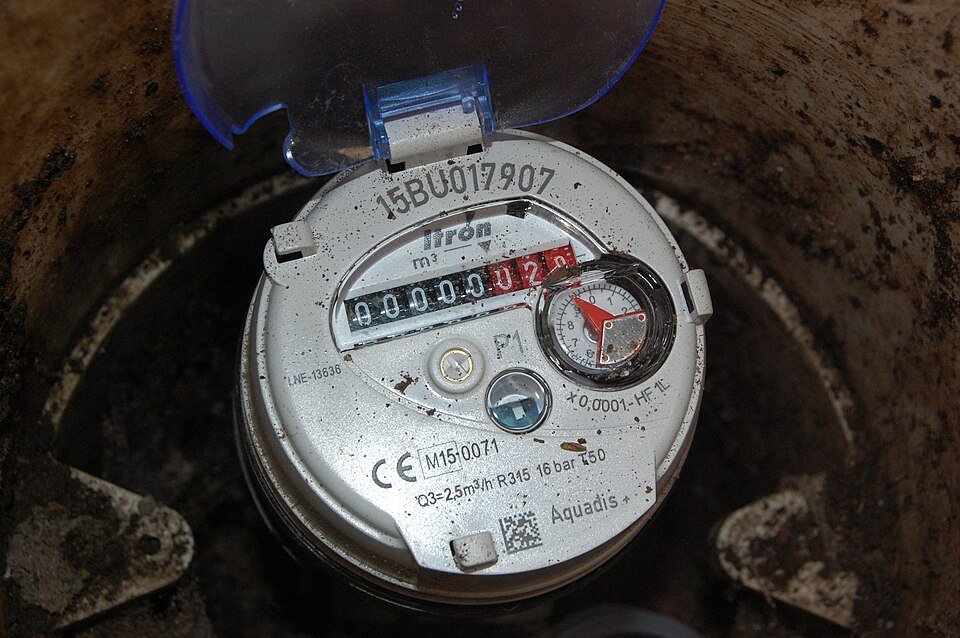
The mechanical digits and m³ marking provide a cumulative-reading reference. Record the correct supply identity, opening and closing dates, times and read type alongside household occupancy. The attached component obscures part of this meter face; never invent hidden markings or treat one photograph as a complete interval record.
Photo & usage
JULIANISME · CC BY-SA 4.0 · Source. Display copies resized and encoded as WebP; no instructional details were fabricated or removed.
Use a verified meter or utility data source and a known unit. Keep the meter identity, opening and closing times and read type with each interval. If access is unsafe or the register too coarse, use available utility data and state its limitations.
EPA's bill guide explains consumption records and varied household use. DC Water provides a cumulative-reading method for its meters. These sources support measurement context, but neither turns a short household log into an audit or a diagnosis of hidden plumbing conditions.
Record occupancy simply and respectfully
Count residents and overnight guests for the interval, noting absences where useful. Keep only the detail needed for the comparison. Names, personal schedules and reasons for absence are usually unnecessary in a water-use worksheet.
Define your person-day method. For example, one person present for one recorded day contributes one person-day under the chosen convention. State how partial days are handled and use the same rule throughout. A household can choose a simpler count if detailed normalisation would add little value.
Do not assume water use scales directly with person-days. Cleaning, outdoor watering and some appliance cycles serve the property or a shared load. A lower per-person result can occur simply because more people share those fixed activities.
Separate ordinary activity from unusual events
Note large or unusual uses such as filling a pool, extended garden watering, a plumbing service visit or extra laundry. Record the date and any independently known volume. If the volume is unknown, leave it unknown rather than assigning a convenient estimate to explain the total.
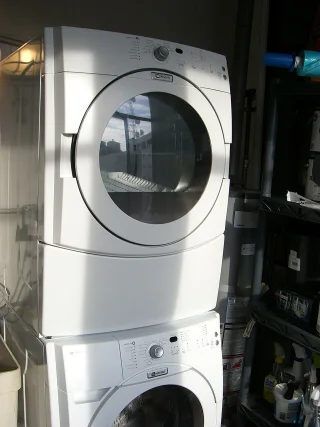
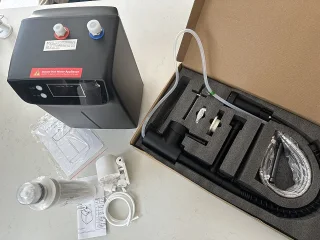
Keep changes in appliances and fixtures visible. EPA's other-products guide identifies water-using equipment beyond WaterSense-labelled categories. A new washer or treatment system can change the pattern, but the baseline alone does not prove how much it contributed.
Mark suspected leaks or faults for the appropriate investigation. Do not wait for several complete baseline periods if visible leakage or another urgent concern needs action. Recording and resolving an actual problem takes priority over preserving a supposedly clean experiment.
Compare two invented occupancy periods
This illustrative baseline covers seven days with three residents present throughout and one guest present for four days. Person-days are 3 × 7 + 4 = 25. Measured consumption is 2,500 litres, giving 100 litres per person-day under that convention.
A second seven-day period has three residents and no guest, giving 21 person-days. Its 2,310 litres equal 110 litres per person-day. Total volume fell by 190 litres, while the normalised figure rose by 10 litres per person-day.
Neither statement alone proves efficiency improved or worsened. Shared cleaning, laundry, weather and timing may differ. The example shows why occupancy and total volume should remain side by side rather than replacing the household total with one ratio.
Check whether the interval is representative
Include a mix of ordinary weekdays and weekend activity where relevant. Note holidays, visitors and unusual work patterns. One quiet week can be useful evidence, but should not become the permanent baseline for a household whose routines vary.
Record the observation duration precisely enough for the data source. A morning-to-evening reading is not a full day. A portal's daily values may follow a defined reporting window or arrive after a delay; check the utility's explanation before aligning them with a household diary.
Where multiple periods are available, show their range and conditions. Do not select only the lowest period as “normal.” A useful baseline can include ordinary variation and identify the conditions under which comparisons are strongest.
Do not assign the entire total to one activity
The main meter records all included uses, so it cannot isolate a shower, washer or hot-water warm-up without an appropriate separate method. Keep end-use estimates labelled and avoid subtracting several uncertain figures to create a precise-looking residual.
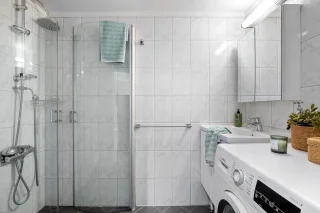
If the baseline is intended to assess one change, keep other conditions as comparable as practicable and record differences. A new showerhead installed during a guest week cannot be evaluated confidently from the total alone. Use a fixture-specific comparison alongside the wider baseline.
Do not infer water-heating cost or health outcomes from total volume. Those require additional information and appropriate methods. The baseline's narrow strength is a traceable amount of supplied water over a known interval.
Set a trigger for investigation
Choose a household review trigger based on a material unexplained change relative to comparable records. It can be a question rather than a rigid percentage: why did a similar interval use substantially more water? Confirm units, dates and read type before assuming a fault.
Look for observable explanations and consult the utility or relevant professional where needed. Do not use a national average as proof that a particular household has a leak. Property uses and circumstances vary.
Keep the response in the record: data correction, known event, professional investigation or unresolved. A baseline becomes more useful when questions are followed through instead of accumulating unexplained high values that nobody revisits.
Save a compact comparison file
Keep the opening and closing evidence, interval, occupancy convention and event notes together. Use a simple table that another household member can understand without a long explanation. Retain original readings when calculating averages.
Review the baseline after a move, household-size change or significant equipment change. Preserve the old baseline as history rather than blending incompatible conditions into a single average.
The record is complete when the total and its context can be reproduced and its limits are explicit. It can then support better questions about water use without pretending to explain every litre or prescribe one correct household level.
THE REFERENCE FILE
Sources & scope
Documentation reviewed 1 Nov 2026. Examples are illustrative; this article does not claim hands-on product testing. Follow the instructions for your actual material, model and location.