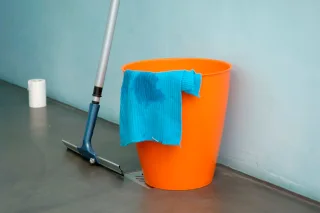
Trace one rainy arrival through the doorway
An umbrella drips into a tray, a coat touches the wall and shoes disappear into a cupboard before anyone notices the pooled water. The entryway's moisture problem often comes from that sequence rather than from a lack of storage. Watch one ordinary rainy arrival and identify where liquid lands, where wet items wait and when they move into dry storage.
Keep the route clear enough for safe entry and emergency exit. Do not add a rack that narrows a doorway or blocks a heater. If space is limited, a removable drying arrangement elsewhere may be better than forcing every stage into the entrance. The aim is a workable water route, not a decorative mudroom.
Health Canada: Guide to addressing moisture and mould indoors identifies wet materials and inadequate moisture removal as household concerns. Treat the entryway as a small drying task with an endpoint. A tray catches water, but it does not make a wet coat or the underside of a shoe dry.
Choose a collection point you can actually maintain
Use a stable, suitable drip tray or washable mat that protects the finish without creating a slip or trip hazard. Check that it does not prevent the door from opening fully. Match cleaning and drying methods to the tray and floor manufacturer's guidance; a waterproof-looking surface may still have vulnerable joints or an absorbent backing.
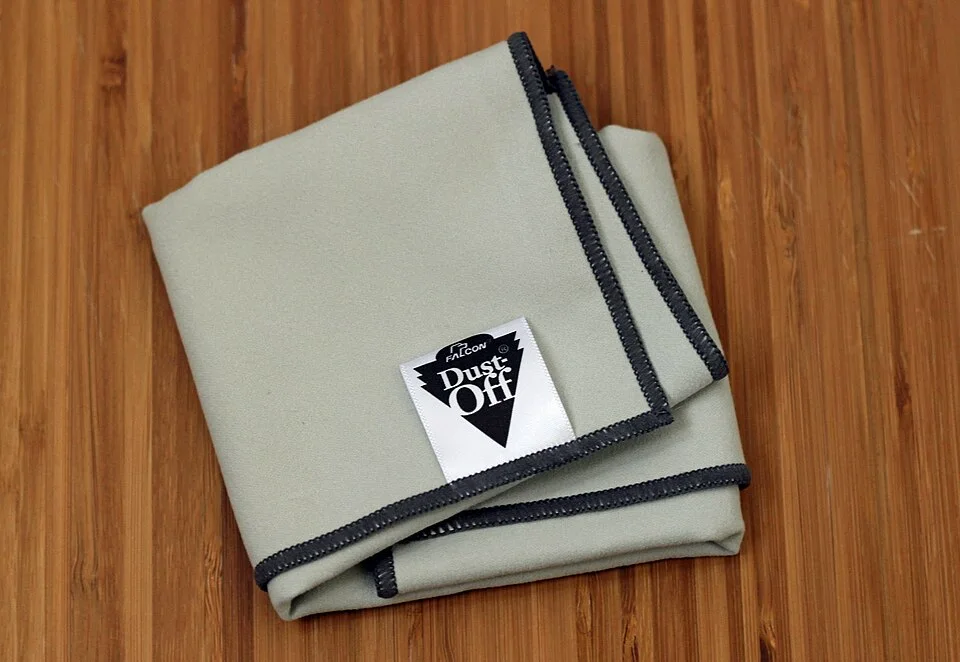
Folded microfiber cloths are visible on a wooden surface. The reference identifies a cloth type; it does not demonstrate compatibility with every floor or establish that the support is dry.
Photo & usage
HelenOnline · Public domain · Source. Display copies resized and encoded as WebP; no instructional details were fabricated or removed.
Empty collected rainwater promptly and lift a lightweight removable mat when practical to check its underside. Record any water beneath it. A top surface that looks dry can conceal moisture held against the floor. Do not stack a second mat over the first to conceal the wetness or add absorbent padding that will never be lifted.
Keep the collection point separate from ordinary dry bags and household electrical equipment. If rain repeatedly reaches the same floor joint even when no wet items are present, stop treating the tray as the whole solution. A door seal, threshold or exterior drainage question may need maintenance assessment.
Let the item keep its intended shape and care
Hang raincoats on suitable supports with room between them and keep wet fabric from resting against the wall. Follow garment instructions for shell fabrics, coatings and removable liners. Do not use a radiator, tumble dryer or heated rack unless the item and equipment instructions permit it. More heat is not a universal drying method.
Remove loose puddled water from umbrellas using an appropriate place, then leave them in a safe drying arrangement that does not occupy the passage. Avoid opening a large umbrella where someone can collide with its ribs. Shoes may need removable insoles taken out if their care instructions allow; different leather, textile and adhesive constructions need different treatment.
A small circulating fan can move air but does not remove moisture from the room by itself. Use intended ventilation and consider outdoor conditions before opening a window. EPA: Improving Indoor Air Quality distinguishes ventilation from simple circulation. Do not describe a fan blowing at the coat as outdoor extraction.
Compare what happens before the cupboard closes
These invented observations are illustrative, not a product test. Two ordinary rainy arrivals bring similar items indoors, but the storage sequence differs. The comparison helps define what should be checked rather than establish a universal drying time.
| Stage | Old sequence | Revised sequence |
|---|---|---|
| Arrival | Coat against wall; shoes shut away | Coat separated; shoes on suitable tray |
| Later check | Tray forgotten; cupboard smells damp | Tray emptied; hidden surfaces inspected |
| Storage decision | Based on time elapsed | Based on item and support being dry |
The revised sequence does not claim that every item dries faster or that the room becomes safer. It adds observable checkpoints before closure. A particularly wet boot can still take longer than a light coat. The practical improvement is that the household no longer treats the cupboard door as the finish line.
Distinguish carried-in rain from building water
Check the entrance after rain when wet items have not been stored there. Water that appears without the arrival sequence points to another source. Note wind direction if known, the first visible location and whether it starts at the threshold, frame or adjacent wall. Observe from inside or safe ground level; do not hose-test the door yourself.
A leaking umbrella may produce a local puddle immediately after arrival. A damp strip that grows during wind-driven rain deserves a different maintenance request. Both can occur together. Describe the sequence without assuming that the most visible puddle identifies the entire route of water through the entrance.
For a rental or shared entrance, send the building manager the relevant dates, accessible photographs and immediate protection steps taken. Ask for investigation of the recurring water entry. Do not dismantle seals or alter drainage channels because the moisture record seems to point at a particular corner. Product-specific design matters.
Finish only when dry storage stays dry
Move items into closed storage when both the items and the supporting surface meet their ordinary dryness requirements. Recheck the cupboard after the next comparable rainy arrival. If damp odour returns, examine whether something was stored prematurely or whether the storage area itself has a moisture problem.
Keep a short household routine at the collection point: catch water, empty the tray, spread items appropriately, inspect hidden contact areas and then store. Assign the later check to a natural event such as returning home or putting away outdoor gear. Avoid an exact clock promise that ignores different fabrics and weather.
The route is complete when the entrance stays usable, liquid is removed and dry storage does not become the drying chamber. If a recurring building leak remains, the completed household task is a clear maintenance handover while practical protection continues. A well-organised tray should support that investigation, not conceal it indefinitely.
THE REFERENCE FILE
Sources & scope
Documentation reviewed 1 Nov 2026. Examples are illustrative; this article does not claim hands-on product testing. Follow the instructions for your actual material, model and location.