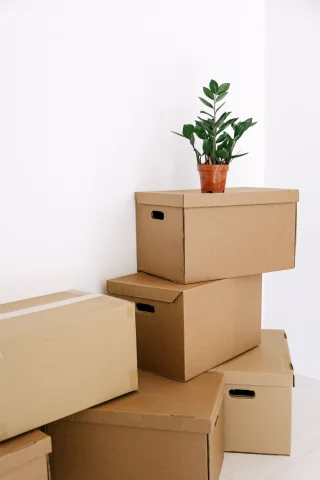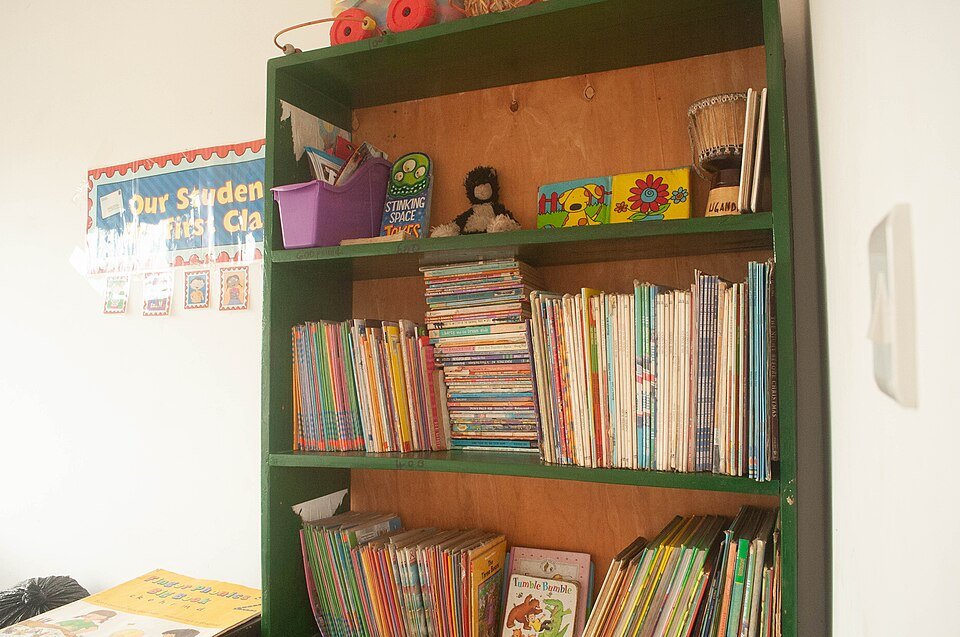
Shallow shelves seem especially promising in a narrow room: more storage with less projection. Yet the useful depth depends on what sits there and how it leaves. A book that overhangs, a box handle trapped against a frame, or a lid that cannot open can turn a slim unit into an awkward holding area.
Compare shelves with a small sample of your actual possessions. Measure support, identification and retrieval separately. This approach can reveal that fewer well-matched shelves hold more usable storage than a deeper unit packed in two rows, or that a proposed shallow unit simply does not suit the collection.
Establish whether the unit belongs in the room
Read the product documents before evaluating capacity. Check overall dimensions, shelf ratings and any required furniture restraint. Freestanding describes a furniture form; it does not establish that the unit is safe without securing. If the required arrangement cannot be provided, choose another storage location or product.
CPSC — Anchor It! directs consumers to follow furniture securing instructions. This article does not provide attachment methods. Do not count books placed at the bottom as a replacement for a specified restraint, and do not turn a unit sideways or remove structural parts to suit a narrow gap unless its manufacturer explicitly permits that configuration.
Map nearby door swings, heating equipment and controls. A narrow shelf still fails if it blocks an exit or prevents using the room normally. Identify where you will stand or sit to retrieve objects, and preserve that approach before filling the shelf. The first capacity decision is whether the intended location can support normal use.
Measure the objects as a varied collection
Gather a representative selection: the tallest book, the deepest binder, the box with the most projecting lid and the small object likely to fall through a mesh surface. Measure their complete exterior dimensions, not just the printed size or nominal paper format. Include protective enclosures already used for fragile items.
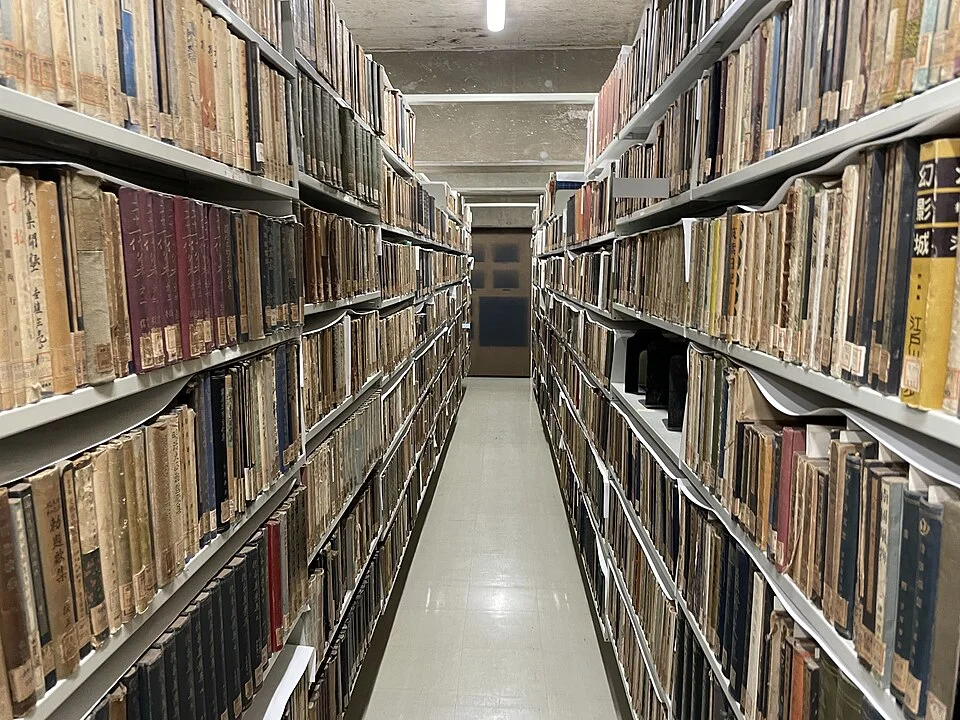
The shelves hold books with visibly different spine heights and thicknesses. Select your own tallest, deepest and most awkward ordinary examples before choosing shelf depth, then allow room to grip and tilt them out. The aisle photograph identifies a varied collection; it supplies no reliable dimensions, shelf capacity or retrieval clearance.
Photo & usage
Eugene Ormandy · CC BY-SA 4.0 · Source. Display copies resized and encoded as WebP; no instructional details were fabricated or removed.
Separate objects that can stand upright from those that require flat support. Avoid making everything conform to one shelf depth by compressing soft covers, bending folders or balancing objects at the edge. A collection with several unusually deep pieces may need two storage locations rather than an oversized unit for every item.
For valued books, Library of Congress — Storing Your Books discusses supportive storage enclosures. Apply preservation guidance to the items that need it; an ordinary household shelf comparison does not turn a generic box into archival housing. Note which books require protective storage, and allow that enclosure's dimensions in the shelf plan rather than assuming the bare book measurements will remain sufficient.
Distinguish overall depth from support depth
Inspect the shelf's usable surface between front and rear obstructions. The advertised depth can include frame tubing or a raised lip. On an open unit, measure the actual surface supporting the object, and check whether feet or framing project farther into the room than the shelf itself.
The IKEA — BAGGEBO Shelf Unit, Article 504.811.72 page provides measurements and documents for one specific metal unit. It is an example of information to inspect, not a universal specification for similar-looking furniture. A different size, market version or material can have different ratings and requirements. Use the exact article number when comparing details.
Place a sample object on an existing suitable surface of the proposed depth without creating an unstable setup. Ask whether its base is fully supported and whether its front remains visible. If it must sit diagonally to avoid overhang, measure the resulting width consumption. A diagonal fit may reduce the number of objects enough to erase the apparent depth advantage.
Compare two illustrative shelf arrangements
All figures in this comparison are illustrative. A shallow shelf has 72 cm of usable width and 24 cm of usable depth. Three boxes each measuring 22 cm wide and 23 cm deep occupy 66 cm of width, leaving 6 cm in total. Each box is fully supported in depth, assuming no additional lid projection.
A deeper shelf is 72 cm wide and 36 cm deep. The same three boxes still provide only three front-access positions. The extra 12 cm of depth does not create another row of 23 cm-deep boxes. Buying the deeper unit would increase floor projection without increasing this collection's box count.
Now consider a binder 29 cm deep. It does not fit fully on the 24 cm surface but does fit on the 36 cm surface. The correct choice depends on the actual inventory. Do not average box and binder dimensions to invent a depth that serves neither. Keep separate counts of items that fit, items needing another home and positions that remain genuinely usable.
Add the retrieval movement to the capacity count
A box must come far enough forward for you to grip it, support it and place it somewhere. Check whether its handles can be grasped inside the frame and whether a lid catches the shelf above. Leave enough headroom for the intended removal movement rather than fitting containers tightly between shelves.
Stand where you will actually work. If removing a box requires stepping backward into a doorway, the location may be unsuitable even though the furniture is shallow. A nearby clear table can help with occasional sorting, but only if it is normally available and reaching it does not require carrying an awkward load around obstacles.
Count only positions that can be used without dismantling adjacent storage. Two rows can suit infrequently used items when the front row is light and has a planned temporary destination. They are a poor match for daily objects that vanish behind other containers. Labeling the hidden row helps identification but does not remove the physical retrieval work.
Avoid load and visibility shortcuts
Keep the load within the exact product's stated conditions. A shelf rating may assume evenly distributed loading; a dense stack concentrated in one place is a different arrangement. If the instructions do not clarify a proposed load, ask the manufacturer rather than using a generic online rating for similar furniture.
Group small items in suitable containers when open mesh or widely spaced bars cannot support them. Include the container's own weight in the loaded arrangement. Do not add a heavy board as a shelf liner without confirming that the product permits it and that the new configuration respects its limits.
Keep labels visible from the normal approach. Very low or very high shelves can conceal container fronts, especially when viewed while seated. Try one loaded position before buying a full matching set. If you must crouch to identify every box, reconsider which category belongs there and whether a different label position would make the storage easier to use.
Approve the shelf with a complete retrieval cycle
Choose the heaviest ordinary box and the most awkward book. Retrieve each, use a suitable clear surface if needed, and return it without shifting neighboring objects. Stop if the furniture rocks, a shelf moves unexpectedly or the object cannot be supported comfortably. Do not perform deliberate tipping or overload tests at home.
Recheck the route with the shelf loaded as intended. Objects should remain within their supported positions, and no box should creep into the passage because its handle is easier to reach there. Confirm that product instructions and any necessary restraint arrangements have been satisfied before normal use.
Record usable width, usable depth, accepted container sizes and the categories assigned to each shelf. Completion means you can identify and remove the stored collection from the room's ordinary approach. The best shallow shelf is the one that preserves that sequence while using the least necessary space.
THE REFERENCE FILE
Sources & scope
Documentation reviewed 1 Nov 2026. Examples are illustrative; this article does not claim hands-on product testing. Follow the instructions for your actual material, model and location.